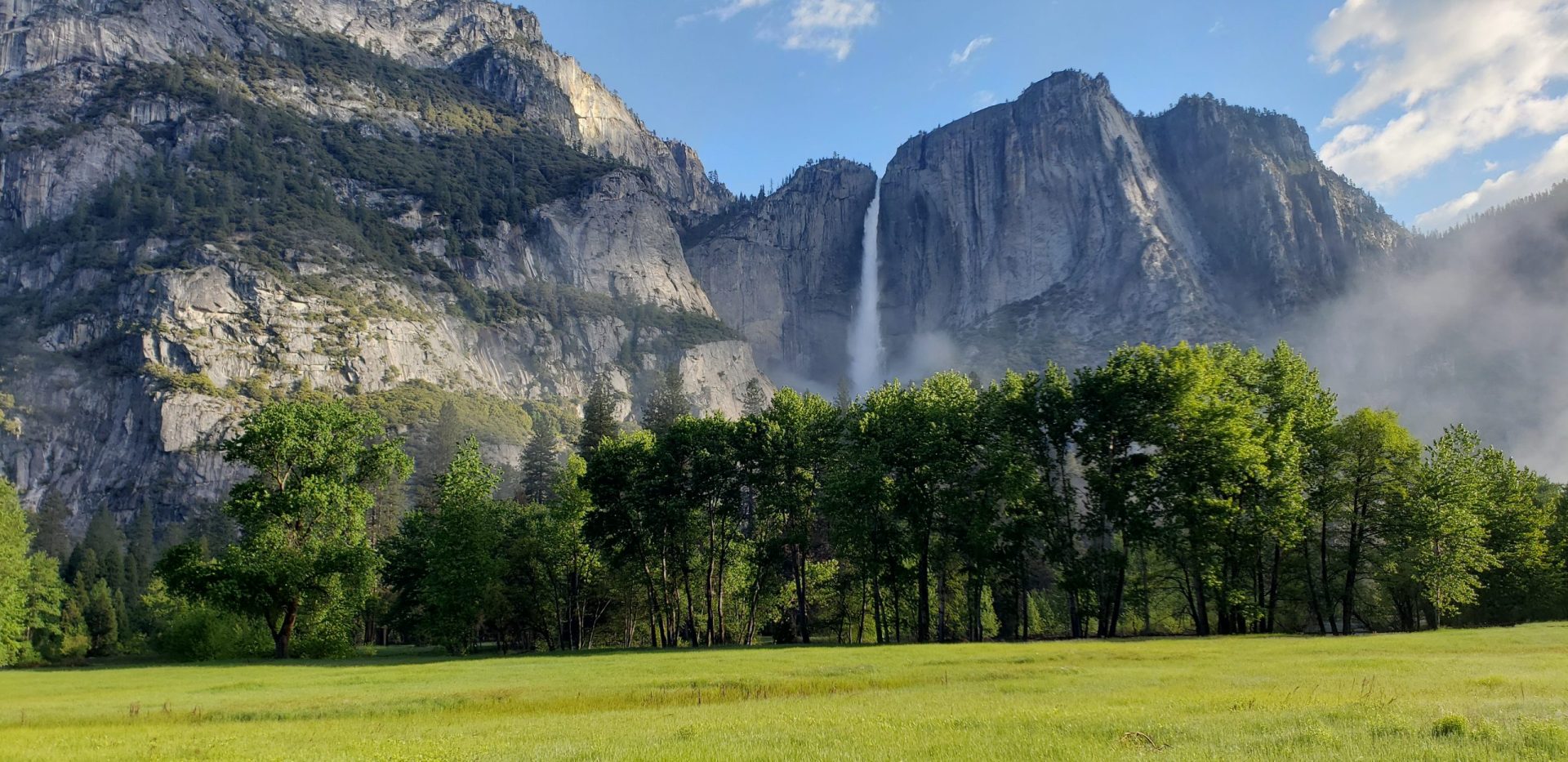


A road trip to Yosemite National Park is more than a scenic drive through the Sierra Nevada. For many travelers, it becomes something deeper — a moment when granite cliffs, alpine lakes, and quiet wilderness reconnect us with the landscapes that inspired John Muir and helped shape America’s national park system.
Yosemite’s towering walls and famous waterfalls draw millions of visitors every year, but the true magic of the park often reveals itself slowly — on early morning drives into the valley, on quiet trails that stretch into the high country, and in those unexpected moments when the crowds disappear and the wilderness takes over.

Whether it’s your first trip to Yosemite or one of many returns to this remarkable place, a road trip through the park offers the opportunity to explore one of the most extraordinary mountain landscapes in North America.
This guide will help you plan that journey — from choosing the best routes into the park to discovering favorite hikes, scenic viewpoints, backcountry lakes, and simple traditions that make a Yosemite visit unforgettable.
Planning Your Road Trip to Yosemite: Best Routes and Timing
Planning a Yosemite road trip begins with choosing how you’ll enter the park. Yosemite can be approached from multiple directions across the Sierra Nevada, and each route delivers its own introduction to the landscape.
Personally, I find myself entering Yosemite most often from the Eastern Sierra, driving south along Highway 395 and climbing over Tioga Pass into Tuolumne Meadows. When Tioga Pass is open, this route delivers one of the most spectacular high-country entrances in the entire national park system.

As you climb toward the pass, the view across Tioga Lake toward Grizzly Peak and the Yosemite high country feels like a preview of everything that makes this park extraordinary. From there, many Yosemite adventures begin in Tuolumne Meadows, where alpine lakes, granite domes, and open meadows create a completely different experience from the famous valley below.
When Tioga Pass is still buried in snow during spring, one of my favorite alternatives is driving down Highway 49 through the historic Gold Country town of Sonora and entering Yosemite from the northwest via Highway 120.
As the road descends toward Yosemite Valley, one of my favorite early Yosemite moments appears just after the tunnel — a glimpse of Cascade Creek Waterfall spilling down toward the valley floor. It’s a brief but beautiful preview that always signals you’ve officially entered Yosemite country.
Approaching Yosemite from the South Entrance via Highway 41 offers another memorable drive. I always recommend slowing down and exploring the historic Wawona area, one of the quieter and more historic corners of the park. Wawona’s meadows and historic buildings offer a glimpse into Yosemite’s early days before tourism expanded into the valley.
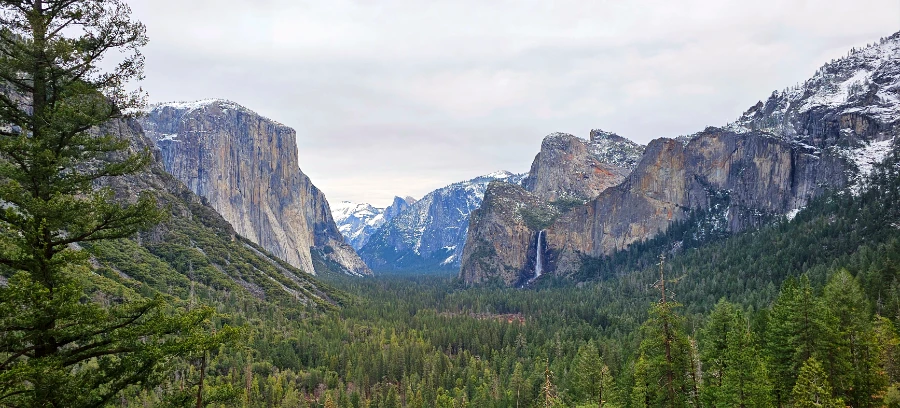
From there, the road climbs toward Tunnel View, where Yosemite Valley suddenly opens into one of the most famous landscapes in the world — El Capitan, Bridalveil Fall, and Half Dome framed in a single sweeping panorama.
Choosing the Best Season to Visit Yosemite
Yosemite National Park is open year-round, but each season offers a completely different experience.
For many Sierra travelers, Yosemite becomes a summer and fall playground, especially once Tioga Pass opens and the high country becomes accessible. From late June through early autumn, hikers and backpackers can explore alpine lakes, high granite basins, and miles of backcountry trails throughout Tuolumne Meadows and beyond.
For travelers entering Yosemite from California’s west side, spring is one of the most dramatic seasons to visit. As winter snow begins to melt, Yosemite’s waterfalls roar back to life. By April and May, the valley floor transforms into a landscape of rushing water, blooming wildflowers, and vibrant green meadows.
Another underrated season arrives in late September and October, when crowds begin to thin and Yosemite’s meadows start showing hints of fall color. Cooler temperatures make hiking more comfortable, and the softer autumn light creates some of the park’s most beautiful photography opportunities.
The Biggest Yosemite Road Trip Mistake
If there’s one mistake Yosemite visitors consistently make, it’s arriving too late in the day.
Personally, I can’t remember the last time I entered Yosemite after 9 a.m. Most of my trips are planned so I’m driving through the entrance around 7 a.m.
Those early morning hours in Yosemite are something special.
The sunlight begins to spill across the granite walls, wildlife moves quietly through the meadows, and the park feels calm before the crowds arrive.
The best Yosemite advice I can give anyone planning a road trip is simple:
Start early and stay late.
Use the quiet morning hours to explore the valley or hike the popular trails. During the middle of the day, seek out quieter corners of the park. Then enjoy Yosemite again in the evening as the crowds thin and the granite walls begin to glow in the fading light.
Essential Gear and Packing Tips for Yosemite
Essential Packing List for Your Yosemite Adventure
Packing for Yosemite National Park isn’t just about filling a backpack—it’s about preparing for a landscape that changes dramatically depending on where you explore. From the warm valley floor to the breezy granite ridges of the high country, Yosemite’s conditions can shift quickly, so bringing the right gear makes all the difference.

For me, every Yosemite trip starts with a reliable trail map. While digital apps are great, I still prefer carrying a physical map, and the Tom Harrison trail maps have always been my go-to. They’re easy to read, durable, and give you a clear sense of the terrain—especially helpful when exploring areas like Tuolumne Meadows or planning longer hikes deeper into the park.
Water is another essential. Yosemite’s trails can be hot and exposed, especially with sunlight reflecting off the granite walls and domes. I always carry a water bottle paired with a lightweight filtration system, and the Katadyn BeFree water filter and bag combo has become one of my favorite options for quick refills from streams and lakes along the trail.
Sun protection is something many visitors underestimate. The Sierra sun reflects strongly off granite and open terrain, so good sunglasses and a reliable hat are essential. I almost always pack my Outdoor Research sun hat, which provides excellent coverage during long days on exposed trails.
Layering for Yosemite’s Changing Conditions
Clothing in Yosemite really depends on where you plan to spend your time. The park’s elevation ranges from around 4,000 feet in Yosemite Valley to nearly 10,000 feet in the high country, which means temperatures can vary significantly.
When I’m exploring the high country around Tioga Pass or Tuolumne Meadows, I almost always bring a sun hoodie or lightweight base layer, paired with a light overshirt or wind layer. Even in summer, mornings and evenings can feel cool at elevation.
Down in Yosemite Valley, conditions are very different. During warmer months, the valley can feel surprisingly hot and humid compared to the breezy high country. In those situations, simple t-shirts and shorts work perfectly well, especially for shorter hikes and valley walks.
Footwear, however, is one area where it pays not to cut corners. Yosemite trails often combine packed dirt, granite slabs, loose rock, and steep elevation changes, so a solid pair of trail shoes or hiking shoes with good traction can make a huge difference in comfort and stability.
Don’t Forget Your Camera
One item that should always make the packing list is a camera. Yosemite has a way of surprising you with moments worth capturing—morning light spilling across granite cliffs, wildlife moving quietly through the meadows, or reflections on alpine lakes.
Personally, I keep things simple and travel light. Most of my shots come from a GoPro and my Samsung phone, which makes it easy to capture quick photos or video without carrying heavy camera gear on the trail.
At the end of the day, Yosemite rewards those who come prepared. With the right mix of navigation tools, water filtration, sun protection, and comfortable clothing, you’ll be ready to explore everything from quiet high-country trails to the iconic views of Yosemite Valley.
Must-See Places in Yosemite National Park
Must-See Attractions in Yosemite National Park
Yosemite National Park is filled with iconic landmarks, but asking someone to pick their favorite place in Yosemite is a bit like asking a kid to pick their least favorite flavor of candy—there really isn’t a bad choice. Every corner of the park offers something memorable.
Still, when friends ask me where they should explore, I usually share a mix of classic Yosemite views and a few personal favorites that capture the park’s incredible range of landscapes.
Yosemite Valley Classics Worth Experiencing
Most first-time visitors start in Yosemite Valley, and for good reason. The valley packs an incredible concentration of granite cliffs, waterfalls, and meadows into a relatively small area.
While hikes like Yosemite Falls and the Mist Trail to Vernal and Nevada Falls often steal the spotlight, one place that many visitors surprisingly drive right past is Bridalveil Fall. Located near the entrance to Yosemite Valley, it’s one of the first waterfalls you encounter—and one of the most beautiful, especially in spring when the flow is strong and the mist drifts across the meadow.
Another simple but unforgettable Yosemite moment happens early in the morning along the Merced River near El Capitan. Watching the sunrise light up the granite walls while the river moves quietly through the valley is one of those experiences that reminds you why Yosemite became a national park in the first place.
Exploring Yosemite’s High Country
While Yosemite Valley is world famous, much of the park’s magic lives in the high country along Tioga Road.
Tenaya Lake is one of the most scenic and accessible alpine lakes in the Sierra. The crystal-clear water, granite domes, and open shoreline make it a perfect stop for a picnic, a short swim, or simply taking in the high-country scenery.

Nearby, the hike to May Lake is one of the best short adventures in the park. The trail is only about two miles each way, but it delivers classic Yosemite views with a peaceful alpine lake framed by granite peaks. For anyone wanting a quick introduction to Yosemite’s wilderness without committing to a long hike, May Lake is a must.
Another favorite is the hike to Cathedral Lakes. It’s a slightly tougher climb at around 2.5 miles to reach the first lake, but the views of Cathedral Peak rising above the water are among the most iconic in the entire park.
If you’re looking for a longer and more relaxed walk through Yosemite’s high country, the trail through Lyell Canyon is hard to beat. Whether you hike one mile or nine miles into the canyon, the open meadows, winding river, and towering peaks create one of the most peaceful landscapes in Yosemite.
A Yosemite Corner Many Visitors Miss
One of Yosemite’s most overlooked destinations is Hetch Hetchy, located in the park’s northwest corner. Even if you don’t hike all the way to Wapama Falls, simply standing near the reservoir and looking down the valley gives you a sense of Yosemite’s scale and beauty without the crowds found in Yosemite Valley.
Backpacking the Yosemite Wilderness
For backpackers, Yosemite opens up into an entirely different world.
Some of my favorite backcountry destinations include the Young Lakes basin and the Vogelsang region, both of which offer incredible alpine scenery, lakes, and quieter wilderness experiences.
If you’re looking for hidden gems deeper in the park, places like McCabe Lakes, Nelson and Echo Lakes, and Bernice Lake deliver that classic High Sierra combination of granite peaks, alpine water, and solitude.
If You Only Have One or Two Days
Many Yosemite visitors only have a short amount of time, and if that’s the case, focusing on a few key experiences can make the trip incredibly rewarding.
With one day, spend your time in Yosemite Valley. Walk to Bridalveil Fall, explore the meadows along the Merced River, and take the classic hike up the Mist Trail to Vernal and Nevada Falls. It’s crowded, but it’s crowded for a reason—the scenery is spectacular.
If you have two days, expand your adventure beyond the valley. Drive up Tioga Road to Tenaya Lake and, if possible, visit Hetch Hetchy. Seeing both the valley and Yosemite’s high country gives you a much fuller sense of the park.
For hikers who want to experience Yosemite wilderness without committing to a backpacking trip, trails like Mono Pass or the hike toward Spillway Lake on the park’s eastern edge offer waterfalls, lakes, wildlife, and dramatic alpine scenery in a single outing.
Outdoor Adventures in Yosemite
Yosemite Hikes Worth Returning To
Some trails are memorable once. Others draw you back again and again.
For me, the lakes of Yosemite’s high country have always had that pull. Young Lakes and Roosevelt Lakes are two places I’ve returned to multiple times over the years. There’s something special about that corner of Yosemite wilderness.
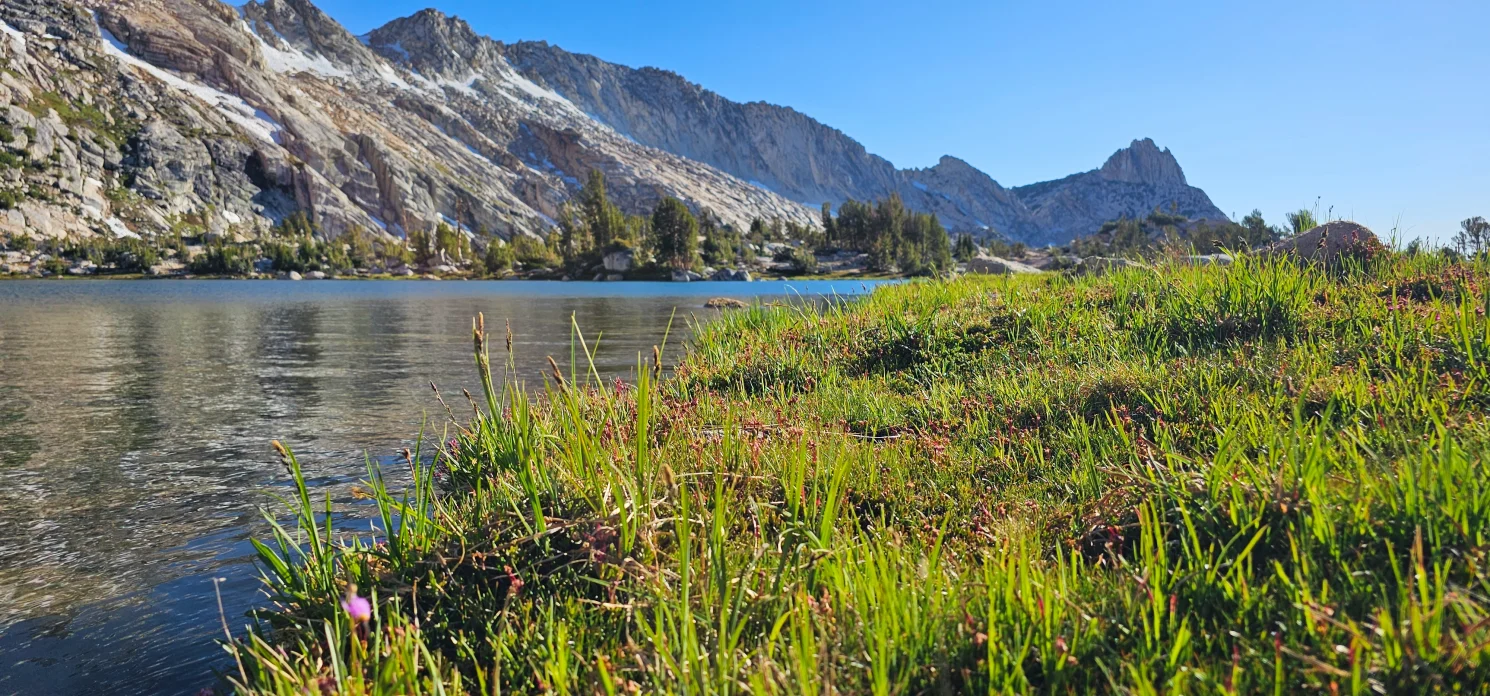
If I had to choose one place that captures my personal version of Yosemite, it would be Upper Young Lake. Surrounded by granite peaks and quiet alpine water, it’s one of those places where the noise of everyday life fades quickly. The air feels different, the views stretch endlessly, and the wilderness truly takes over.
Another area that holds a special place for me is the Cathedral Range, particularly Nelson Lake and Echo Lake. These lakes sit in a dramatic alpine basin surrounded by jagged granite peaks, and they offer a kind of solitude that reminds you how big Yosemite really is beyond the valley floor.
And then there’s Bernice Lake.
Bernice is one of those rare places that hits you emotionally when you arrive. The granite bowl, the stillness of the water, and the feeling of standing deep inside the High Sierra wilderness can be incredibly powerful. It’s one of the few places in Yosemite that has literally brought me to tears, simply from the beauty and quiet of the landscape.
Slow Down and Experience Yosemite
While hiking is the most popular activity in Yosemite, one of the most overlooked experiences is simply slowing down.
Some of my favorite moments in the park have nothing to do with reaching a summit or finishing a trail. Instead, they come from finding a quiet stretch along the Merced River, hanging a hammock between two trees, and taking a nap while Yosemite moves around you.
When you stop rushing and let Yosemite’s sounds fill the air—the wind through the pines, the river flowing past, distant waterfalls—you start to feel the park in a different way.
Yosemite isn’t just about the views.
It’s about the stillness, the air, and the rare chance to disconnect long enough to let the landscape reset your perspective.
Adventure Beyond the Valley
For visitors looking to expand their Yosemite adventure, the park offers a wide variety of outdoor activities beyond hiking.
Biking through Yosemite Valley’s bike paths is one of the easiest and most scenic ways to explore the valley floor. Cycling past meadows with views of Half Dome and El Capitan allows you to cover more ground while still soaking in the scenery.
Water activities also offer a refreshing way to experience Yosemite. Floating or rafting along the Merced River during summer provides a completely different view of the valley walls, while alpine lakes like Tenaya Lake offer opportunities for kayaking, swimming, or simply relaxing along the shoreline.
Fishing is another classic Sierra activity found throughout Yosemite’s lakes and rivers, particularly in the high country where alpine lakes hold trout in clear mountain water.
Whether you’re hiking deep into the wilderness, biking through Yosemite Valley, or simply resting beside the river, Yosemite rewards those who take the time to experience it at their own pace.
Where to Stay: Camping, Backpacking, and Yosemite Lodging Options
Where you stay in Yosemite often shapes the type of experience you’ll have in the park. Some visitors prefer the comfort of historic lodges, while others come to Yosemite specifically to sleep under the stars.
Personally, most of my nights in Yosemite have been spent backpacking in the wilderness, where the sounds of wind, water, and distant wildlife replace the buzz of crowds. There’s something incredibly special about setting up camp near an alpine lake, hanging a hammock, and falling asleep beneath a sky filled with Sierra stars.

Camping in Yosemite Valley
When I do stay in Yosemite Valley, I’ve typically stayed at the Backpackers Campground or in the tent cabins at Curry Village.
Curry Village is a bit of a love-hate experience for me. The tent cabins are simple but surprisingly comfortable at night, and it’s hard to beat waking up surrounded by granite walls and towering pines.
During the day, though, those tents can get extremely warm, especially in the summer sun. It’s definitely not a place you’ll want to retreat to during the heat of the afternoon.
Still, there’s something special about the atmosphere in Curry Village. In the evenings, when hikers and climbers start winding down their day, the place takes on a relaxed, social energy that feels very Yosemite.
One of my favorite simple Yosemite traditions is grabbing dinner and a cold beer at Curry Village, then sitting out on the deck as the sun fades behind the valley walls. Watching Yosemite slowly turn from golden light to evening shadow is one of those quiet moments that sticks with you.
Yosemite Lodges and Historic Hotels
For visitors looking for more comfort, Yosemite offers several well-known lodging options inside the park.
The most famous is The Ahwahnee Hotel, known for its historic architecture and beautiful setting beneath Yosemite’s granite cliffs. I’ve spent time walking the grounds there, and it’s an incredible place—but the price tag is a bit outside my personal travel style. I’ll happily admire it from the outside and keep my Yosemite trips a little more simple.
Other lodging options include Yosemite Valley Lodge, which offers convenient access to many valley attractions, and the historic Wawona Hotel near the park’s southern entrance.
Backpacking: The Best Way to Experience Yosemite
For many outdoor travelers, the best place to stay in Yosemite isn’t a lodge or campground at all—it’s the backcountry.

Backpacking allows you to escape the busy valley and experience the quieter side of Yosemite. Whether it’s camping beside alpine lakes, hiking through high-country meadows, or falling asleep beneath the Milky Way, the wilderness offers a completely different Yosemite experience.
It’s in these remote places—far from roads and crowds—where Yosemite often feels the most powerful.
Dining and Food Options in and Around Yosemite
After a long day of hiking, exploring waterfalls, or wandering Yosemite’s high country, a good meal always hits differently. Yosemite offers a range of dining options inside the park, but some of the best food moments often happen during the drive in or out of the park.
Curry Village: A Classic Yosemite Stop
If I’m spending time in Yosemite Valley, my go-to meal is simple: pizza at Curry Village.

There’s something about finishing a day on the trail, grabbing a hot pizza, and sitting outside with views of the granite walls around the valley that just feels right. Curry Village has that relaxed Yosemite vibe where hikers, climbers, and travelers all gather after their adventures.
And if you’re looking for dessert, don’t skip the ice cream sundaes at Curry Village. On a warm summer evening in Yosemite Valley, they’re hard to beat.
Lee Vining: Gateway to Yosemite’s High Country
For travelers entering Yosemite from the Eastern Sierra via Tioga Pass, the small town of Lee Vining has become a traditional stop before heading into the park.
Many visitors love the nostalgic feel of the Mobil Station at the base of the hill, which has built a reputation as a quirky and memorable stop along Highway 395.
Personally, though, I usually head into town.
One of my favorite classic stops is Mono Cone, where a simple cheeseburger after a long day in the mountains just seems to hit the spot. Recently, I’ve also found myself enjoying time at The Basin Café, which has become one of my favorite places to sit down, relax, and enjoy a good meal before or after a Yosemite adventure.
South Entrance Stops: Oakhurst
If you’re approaching Yosemite from the South Entrance, the town of Oakhurst offers plenty of options for food before heading into the park. It’s a great place to fuel up before a day exploring Yosemite Valley or the nearby Mariposa Grove of giant sequoias.
Gold Country Eats: Sonora
When entering Yosemite from the north via Highway 120, I often find myself stopping in Sonora. The historic downtown area along Main Street offers plenty of local restaurants and casual places to grab a meal before continuing into the Sierra.
One of the best parts about road-tripping through this region is that there are always new places to try. With so many small mountain towns surrounding Yosemite, it’s easy to mix things up and discover something different every trip.
Personally, I rarely eat at the same place twice.
Photography Tips for Capturing Yosemite’s Beauty
Yosemite National Park is one of the most photographed landscapes in the world, but capturing its beauty often comes down to timing, patience, and knowing where to look for the light.
While many of my personal photography moments happen deep in Yosemite’s backcountry, there are several incredible photo locations that most visitors can access with only a short hike or a quick shuttle ride.

Sunrise in the High Country
One of my favorite sunrise photography locations in Yosemite is May Lake.
If you’re willing to climb up along the east rim above the lake, the reward is spectacular. In the early morning hours of summer, especially around July, the sun begins to crest over the Cathedral Range, lighting the granite peaks with that soft golden glow the Sierra is famous for. The reflections across May Lake can be stunning, and the quiet of the high country early in the morning makes the experience even more special.
Classic Yosemite Valley Reflections
Down in Yosemite Valley, some of the best photography moments happen early in the day before crowds fill the park.
One of my favorite spots is along the Merced River near El Capitan, accessible from the valley shuttle. Around Stop 10, the river provides beautiful reflections of El Capitan as the morning light begins to illuminate the granite walls. When the water is calm and the light is right, the reflections in the river can create some truly memorable images.
Iconic Yosemite Views
For sweeping views of Yosemite Valley, Glacier Point remains one of the park’s most iconic photography locations. From this vantage point, you can capture Half Dome, Yosemite Falls, and the valley stretching out beneath you.
Along the way, the Four Mile Trail offers surprisingly great photography opportunities as well. The higher you climb, the more dramatic the views of the valley become, creating incredible vantage points for landscape shots.

Backcountry Reflections and Wilderness Light
For those lucky enough to venture deeper into Yosemite’s wilderness, the photographic rewards only get better.
Sunsets at Upper Young Lake and Bernice Lake can produce unforgettable scenes as the fading light reflects across the water and granite peaks.
Another pair of incredible photography locations lies in the Cathedral Range. Echo Lake, located beyond Cathedral Lakes, offers wide reflective water framed by dramatic granite walls. Nearby Nelson Lake provides similarly stunning scenery, with calm alpine water reflecting towering peaks and expansive Sierra skies.
These kinds of locations are the places where Yosemite’s landscape truly feels timeless—where reflections, light, and quiet wilderness come together to create images that belong on the wall long after the trip is over.
Tips for a Safe and Enjoyable Yosemite Road Trip
A successful Yosemite trip comes down to preparation, awareness, and respect for the landscape. The park’s beauty can sometimes make people forget that Yosemite is still true wilderness, and being prepared helps ensure your adventure stays both safe and enjoyable.
Always Carry Water
If there’s one safety tip I share with every visitor heading into Yosemite, it’s simple: bring and carry water.
Yosemite’s trails—especially in Yosemite Valley—can become surprisingly hot and exposed. The sun reflecting off granite walls and rock slabs can make temperatures feel much warmer than expected, and dehydration can creep up quickly if you’re not prepared.
Whether you’re heading out for a short hike or a longer day on the trail, always carry enough water and consider bringing a water filter or purification system so you can refill safely from streams and rivers when needed.
Trail Courtesy Matters
One thing that can be frustrating in Yosemite Valley—especially during peak season—is the occasional lack of courtesy on the trails. Yosemite receives millions of visitors every year, and sometimes the sheer volume of people can lead to a bit of trail congestion.
A little awareness goes a long way. Simple things like sharing the trail, stepping aside when needed, and respecting other hikers’ space help everyone enjoy the park a little more.
Yosemite is a place meant to inspire awe and appreciation. A little patience and courtesy help preserve that experience for everyone.
Go Beyond Yosemite Valley
When friends ask me why I love Yosemite so much, I often tell them something important:
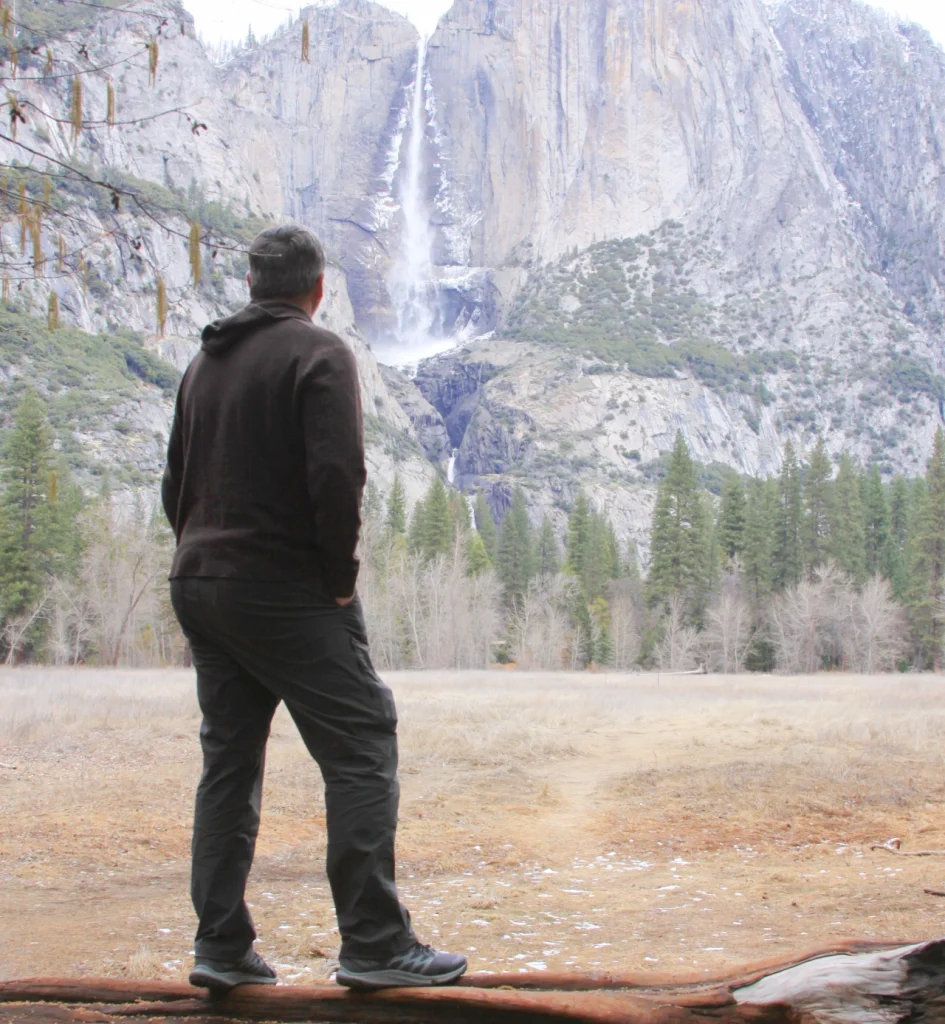
You can’t fully understand Yosemite until you’re at least three miles from the trailhead.
Yosemite Valley is beautiful—it’s iconic, dramatic, and absolutely worth seeing. But it’s also the most crowded part of the park. In many ways, the valley is Yosemite’s front porch.
The real soul of Yosemite—the one John Muir wrote about—lives deeper in the park.
It’s found along quiet backcountry trails, beside alpine lakes, across granite ridges, and in open meadows where the crowds fade and the wilderness takes over.
If you truly want to understand Yosemite, go for a hike. Leave the pavement behind. Walk a little farther than most people are willing to go.
That’s where Yosemite begins to reveal itself.
Conclusion: A Yosemite Experience That Stays With You
A road trip to Yosemite National Park offers more than just beautiful scenery—it provides the chance to reconnect with the natural world in one of the most extraordinary landscapes in North America.
From the towering granite cliffs of Yosemite Valley to the quiet alpine lakes of the high country, Yosemite rewards those who take the time to explore beyond the obvious viewpoints.
Whether you’re driving Tioga Pass, hiking toward Cathedral Lakes, watching sunrise over May Lake, or simply resting beside the Merced River, each moment in Yosemite has a way of slowing time and reminding you why wild places matter.
Start your day early. Wander beyond the crowds. And allow the park’s rivers, granite walls, and high mountain air to do what Yosemite has done for generations of travelers before you.
Let it stay with you.