
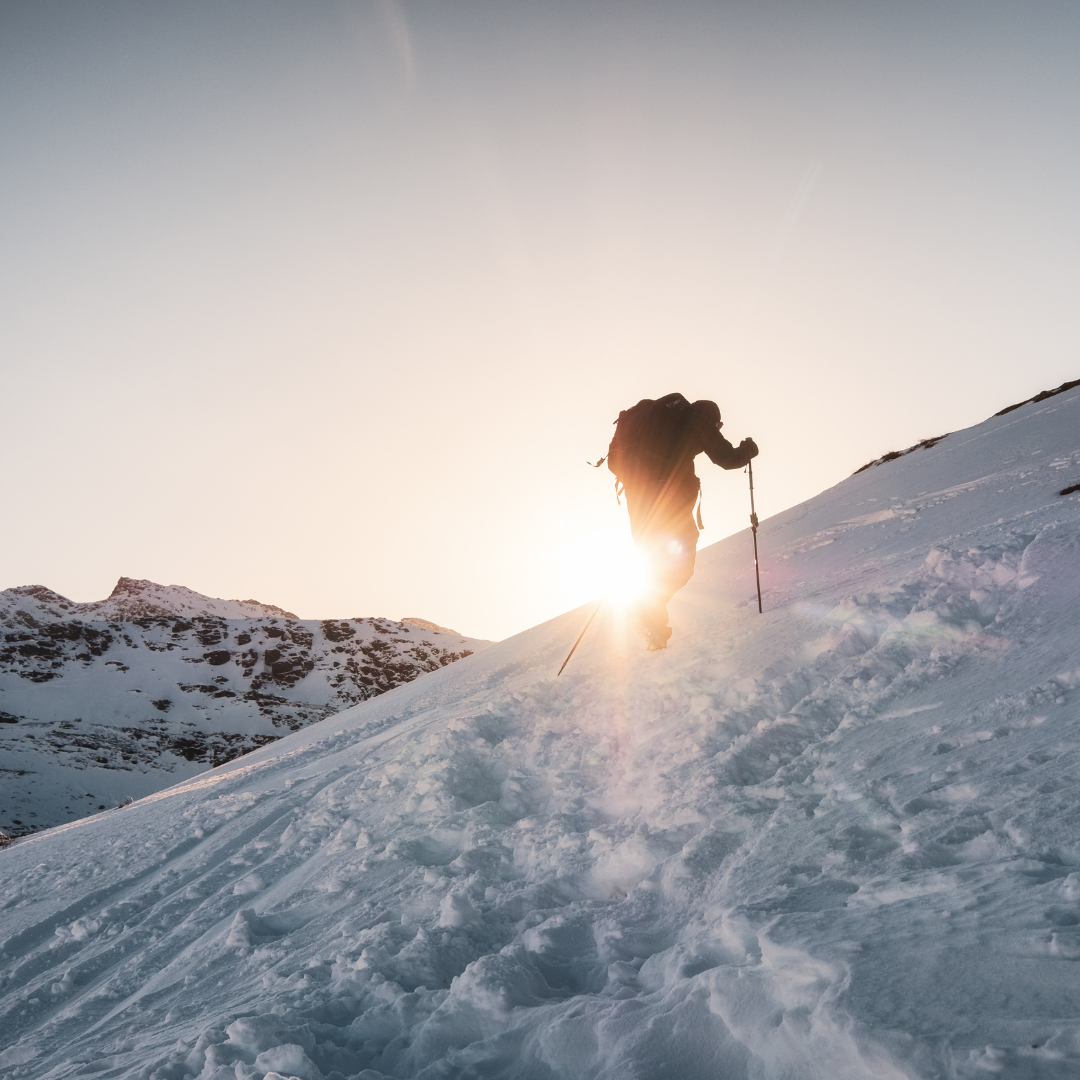
The Sierra Nevada, a mountain range brimming with, snow-capped peaks, presents a compelling challenge for adventurous climbers seeking a thrilling winter expedition. These icy summits, draped in a pristine white blanket, beckon the brave and the bold, promising an unparalleled, adrenaline-fueled adventure. I was recently reading a forum question posted on summitpost.org regarding how insane or foolish winter climbing can be. However it got us thinking about the people who do climb and how it does not stop the die hard winter adventure seekers.
In Yosemite, one of my favorite mountain climbers in Mike Toffey. he summits so many peaks and challenging crevasses in the Yosemite Landscape. But
This article delves into the heart of winter climbing in the Sierra Nevada and other peaks in California that are popular destinations, providing guidance for your frosty ascent. From essential gear and training to understanding the Sierra Nevada’s unique winter weather conditions, we’ve got you covered. We’ll explore potential risks, safety precautions, and the most promising peaks to conquer during the winter season.

Top Sierra Nevada Peaks to Conquer in Winter
Scaling the Sierra Nevada’s peaks in winter can be an exhilarating, albeit challenging experience. The snow-covered landscapes, the silence of the mountains, and the unique challenges posed by winter conditions make it a memorable adventure. Below are some of the top peaks in the Sierra Nevada range that climbers should consider for their winter expeditions.
Mount Whitney: As the highest summit in the contiguous United States, Mount Whitney is a prime choice for winter climbing. A winter ascent of Mount Whitney is challenging, but the breathtaking views of the snow-laden landscape make it worth the effort.
Mount Shasta: This potentially active volcano is a popular winter climbing destination. The Avalanche Gulch route is the most frequented, offering a challenging yet rewarding climb in winter conditions.
Mount Russell: Known for its sharp ridgelines and stunning views, Mount Russell is a perfect choice for experienced climbers looking for a thrilling winter ascent.
Mount Sill: As one of the highest peaks in the Palisades region, Mount Sill offers a challenging climb, with its Swiss Arete route being particularly popular in winter.
North Palisade: This is the third highest peak in California and a favorite among experienced mountaineers for its challenging routes. The U-Notch Couloir is a classic winter climb.
Mount Darwin: Famous for its Evolution Traverse, a winter ascent of Mount Darwin is a thrilling and challenging endeavor.
Each peak has its unique features and challenges. Winter climbers should be prepared for extreme weather conditions, potential avalanche risks, and the physical demands of high-altitude climbing. It’s essential to research each climb thoroughly, and if possible, enlist the help of an experienced guide. Remember, safety should always be the priority.
When conquering these peaks, climbers are rewarded with unparalleled views of the winter wonderland that is the Sierra Nevada range. The crisp air, the solitude, and the breathtaking scenery make every strenuous step worth it. Whether you’re an experienced mountaineer or just starting, climbing Sierra Nevada’s peaks in winter is sure to be an unforgettable experience.

Detailed Guide to Climbing Mount Whitney
Mount Whitney, standing tall at 14,505 feet, is the highest summit in the contiguous United States. A winter climb of this majestic peak is a challenging endeavor that requires careful planning, rigorous training, and essential gear. Here’s your detailed guide to tackling this snowy giant in the Sierra Nevada range.
Route Selection
There are two main routes to the summit in winter:
– Mount Whitney Trail: This 22-mile round trip is the most popular route. It’s a non-technical climb but can be strenuous due to its length and the altitude gain.
– Mountaineer’s Route: A shorter and steeper path, this 15-mile round trip is more challenging and requires technical climbing skills, especially in winter.
Conditioning and Acclimatization
Preparing your body for the physical demands of the climb is crucial. Start a conditioning program at least 2-3 months before your climb that includes:
– Cardiovascular training: running, swimming, cycling, or hiking with a heavy pack.
– Strength training: focus on legs, core, and upper body.
– Flexibility exercises: yoga or Pilates can help prevent injuries.
Remember that Mount Whitney is at a high altitude. Spend a few days at a similar altitude to acclimatize your body, minimizing the risk of altitude sickness.
Gear Essentials
Winter climbing gear is all about safety, comfort, and survival. Here’s a basic list of what you’ll need:
– Climbing boots: Insulated and waterproof, with crampon compatibility.
– Crampons and ice axe: Essential for traversing icy and snowy conditions.
– Avalanche safety gear: including a beacon, probe, and shovel.
– Winter clothing: Insulated, moisture-wicking layers, a down jacket, waterproof pants, gloves, and a beanie.
– Backpack: A 50-70 liter pack to carry gear, food, and water.
– Tent: A 4-season tent with a strong resistance to wind and snow.
– Food and water: High-calorie foods and a stove for melting snow for drinking water.
Navigating the climb
– Start early, ideally before dawn, to maximize daylight hours.
– Keep track of the weather. Conditions can change rapidly.
– Follow the well-marked trail and use a GPS device for safety.
– Turn back if the weather deteriorates or if someone in your party is not feeling well.
Remember, climbing Mount Whitney in winter is a serious endeavor. It requires physical fitness, the right equipment, and knowledge about winter mountaineering. Always prioritize safety over reaching the summit. With careful planning and preparation, your adventure to the top of Mount Whitney can be a rewarding and unforgettable experience.
Exploring Palisade Glacier: A Unique Winter Adventure
Palisade Glacier, located within the heart of the Sierra Nevada range, offers a unique winter adventure that is both thrilling and mesmerizing. As the largest glacier in the Sierra Nevada, it serves as a captivating spectacle amid the snow-covered peaks, presenting a winter expedition that is incomparable and unforgettable.
The Journey to Palisade Glacier
The journey to Palisade Glacier starts from Big Pine, a small town situated on the eastern slope of the Sierra Nevada. The trailhead begins at an elevation of approximately 7,780 feet, gradually ascending towards the glacier.
– The hike to the glacier is roughly 8 miles long, taking you through breathtaking terrain dotted with alpine lakes and stunning mountain vistas.
– Winter climbing or mountaineering experience is recommended due to the challenging nature of the terrain and the potential for avalanche hazards.
– Skis, snowshoes, or crampons might be needed depending on the amount and condition of the snow.
The Spectacle of Palisade Glacier
Palisade Glacier is a sight to behold in the winter months. Here’s what makes it a unique winter adventure:
– The glacier is approximately 2 miles long and over half a mile wide, a massive ice sheet nestled between towering snow-capped peaks.
– As you approach the glacier, you’ll witness crevasses, seracs, and icefalls – features that contribute to its rugged beauty.
– Winter brings a pristine, untouched quality to the glacier, with the snow amplifying its ethereal beauty.
– The panorama from the glacier encompasses several of the Sierra Nevada’s highest peaks, providing a breathtaking backdrop to your adventure.
Winter Camping at Palisade Glacier
For those looking for an extended adventure, winter camping at Palisade Glacier can be an extraordinary experience.
– The glacier’s basin offers numerous spots for setting up camp, each with a spectacular view of the surrounding peaks.
– Camping in this high-alpine environment requires proper gear and preparation. You’ll need a four-season tent, a sleeping bag rated for low temperatures, and a reliable stove for melting snow for drinking water.
– Remember to adhere to Leave No Trace principles, including packing out all trash and minimizing campfire impacts.
The excursion to Palisade Glacier is undoubtedly a unique winter adventure in the Sierra Nevada, offering an immersive experience in a frozen alpine wonderland. Whether you’re a seasoned mountaineer or a winter wilderness enthusiast, a journey to Palisade Glacier will leave you with unforgettable memories and stories to share.
Understanding Sierra Nevada’s Winter Weather Conditions
The Sierra Nevada range, known for its majestic snow-covered peaks in winter, harbors a unique climate that should be well-understood by any aspiring winter mountaineer. The range stretches over 400 miles, and its weather can vary significantly from one part of the range to another. Here’s a rundown of what you need to know about the Sierra Nevada’s winter weather conditions.
Temperatures: Freezing temperatures are the norm in the Sierra Nevada during winter months. Daytime temperatures can range from 20°F to 30°F (-6°C to -1°C), while nighttime temperatures often drop below zero degrees Fahrenheit (-17°C). The temperature can fall further with elevation, so it’s essential to be prepared for extreme cold.
Snowfall: The Sierra Nevada receives heavy snowfall, with some areas getting more than 500 inches of snow annually. The snowpack can be deep and prone to avalanches, especially after fresh snowfall. Snow conditions can change rapidly, so constant vigilance and regular checks of updated weather forecasts are necessary.
Wind: High winds are common on the Sierra Nevada’s ridges and summits, particularly during the winter. Wind speeds can exceed 100 mph during severe storms, creating white-out conditions and increasing the risk of hypothermia.
Sunshine: Despite the cold and snow, the Sierra Nevada is known for its sunny winter days. The high altitude and reflection off the snow can intensify the sun’s effects, increasing the risk of sunburn and snow blindness.
Weather Patterns: The Sierra Nevada weather is influenced by Pacific storms, which often bring heavy snow and high winds. However, the region also experiences periods of high pressure, which can lead to sunny days and freezing nights.
In conclusion, understanding the Sierra Nevada’s winter weather conditions is vital for anyone planning a winter climb. It’s not just about knowing the forecast but understanding how the weather can change and how to react when it does.
– Stay updated with the latest weather forecasts.
– Understand how weather conditions can change at different altitudes and locations.
– Be prepared for extreme cold and high winds.
– Be mindful of the risk of avalanches, particularly after heavy snowfall.
– Don’t underestimate the power of the sun at high altitudes, even in winter.
By understanding and respecting the Sierra Nevada’s winter weather, climbers can better prepare for their adventures and increase their chances of a safe and successful climb.
Essential Gear and Training
Climbing the snow-covered peaks of Sierra Nevada in winter is a thrilling experience, but it’s also challenging and comes with its share of risks. Having the right gear and proper training can make a big difference.
Gear
Your gear is your first line of defense against the harsh winter conditions. So, pack wisely. Here’s the essential gear you’ll need:
– Insulated Clothing: Dress in multiple layers to stay warm. Include moisture-wicking base layers, insulating middle layers, and waterproof outer layers.
– Climbing Boots: Invest in a good pair of insulated, waterproof mountaineering boots.
– Crampons and Ice Axes: These are vital for navigating icy and snowy terrains.
– Climbing Harness and Rope: Essential for safety during technical climbs.
– Helmet: Protects against falling ice and rock.
– Goggles and Sunscreen: Protects against snow blindness and sunburn caused by the reflection of the sun on the snow.
– Navigation Tools: Include a map, compass, and GPS device.
– First Aid Kit: Should include bandages, pain relievers, and blister treatments. Do not forget medications if you are on any.
– Food and Water: Pack high-energy snacks and a way to melt snow for drinking water.
– Camping Gear: If you’re planning to camp, include a 4-season tent, sleeping bag rated for low temperatures, and a camping stove.
Training
Proper training is just as critical as having the right gear. Mountaineering, especially in winter, is physically demanding and requires specific skills. Here’s what you need to focus on:
– Physical Conditioning: Start training several months in advance. Focus on cardiovascular endurance, strength training, and flexibility exercises.
– Altitude Acclimatization: Spend time at high altitudes to prepare your body for the reduced oxygen levels.
– Technical Climbing Skills: Learn and practice skills like rope handling, belaying, rappelling, and self-arrest using an ice axe.
– Navigation Skills: Learn how to read a map, use a compass, and operate a GPS device.
– First Aid Training: Knowing how to handle medical emergencies in the wilderness could save lives.
– Avalanche Safety Training: Understand how to assess avalanche conditions, what to do if caught in one, and how to use an avalanche beacon.
Remember, climbing Sierra Nevada’s peaks in winter is not an activity to be underestimated. With the right gear and training, however, you can safely enjoy the breathtaking beauty of snow-capped mountains and the solitude of the winter wilderness.
Safety Precautions and Potential Risks
Winter climbing in Sierra Nevada comes with its own set of challenges and risks. It requires careful planning, physical resilience, and potential hazards awareness. Here are some key safety precautions and potential risks to consider while planning your winter climb:
Avalanche Awareness:
* Avalanches are one of the most significant risks for winter climbers, especially after heavy snowfall.
* Understand the signs of avalanche danger such as recent avalanche activity, shooting cracks, and whumping sounds.
* Always check the local avalanche forecast before heading out, and avoid steep slopes and unstable snow layers.
Hypothermia and Frostbite:
* Prolonged exposure to cold temperatures can lead to hypothermia, a potentially fatal condition.
* Frostbite, another cold-induced injury, can cause irreversible damage to extremities like fingers, toes, nose, and ears.
* Dress in layers, eat high-energy food and stay hydrated to maintain body temperature and energy levels.
Altitude Sickness:
* At high altitudes, the air pressure is lower, and it gets harder for your body to get the oxygen it needs. This can lead to altitude sickness.
* Symptoms include dizziness, nausea, headaches, and shortness of breath.
* To prevent altitude sickness, acclimatize gradually, stay hydrated, and consider medication if necessary.
Slips and Falls:
* Winter climbing conditions in Sierra Nevada often involve icy and snow-covered terrain which can lead to slips and falls.
* Use appropriate gear like crampons and ice axes, and be proficient in self-arrest techniques.
Navigation Challenges:
* Snow and fog can obscure trails and landmarks, making navigation tricky.
* Always carry a map, compass, and a GPS device, and be competent in their use.
Climbing in winter can be a thrilling experience, but it is essential to respect the inherent risks and dangers. Always prioritize safety over reaching the summit. Be prepared, take the necessary precautions, and make sound decisions based on the conditions and your capabilities.
Essential Tips for Cold Weather Camping
Camping in the brisk winter weather of the Sierra Nevada mountains is a thrilling experience, but it requires a unique set of skills and preparation. Here are some essential tips you should consider to keep yourself safe, warm, and comfortable during your winter camping adventure.
Choose the Right Tent: Opt for a four-season tent, designed to withstand the harsh weather conditions of winter. These tents are built to resist heavy snowfall and strong winds. The key features to look for include a sturdy frame, durable material, and good ventilation to prevent condensation.
Insulation is Key:
– Use a sleeping pad with a high R-value. The R-value measures the insulation capacity of the pad. The higher the R-value, the warmer it will keep you.
– Layer your sleeping area. Start with a closed-cell foam pad and then add an inflatable pad on top for extra insulation.
Manage Your Fire:
– Plan ahead and gather your firewood before it gets dark. Dry wood can be hard to find under a blanket of snow.
– Consider bringing a lightweight, portable wood stove. This can provide heat for cooking and warmth and is easier to manage than an open fire.
Stay Hydrated and Nourished:
– Winter air is dry and the physical exertion of hiking and camping can dehydrate you quickly. Drink plenty of water throughout the day.
– Your body burns more calories in cold weather to keep warm, so pack plenty of high-energy food.
Clothing Layering: Dress in multiple lightweight layers rather than one heavy coat. This allows you to adjust your clothing as the temperature changes.
Safety Precautions:
– Always check the weather forecast before heading out. Winter weather can be unpredictable and dangerous in the mountains.
– Inform someone about your plans, including when you expect to return.
– Carry a map, compass, and GPS.
Winter camping in the Sierra Nevada can be a challenging yet rewarding experience. Being prepared by packing the right gear, understanding the weather conditions, and taking the necessary safety precautions can ensure a safe and enjoyable trip.


