

Welcome to the winter wonderland of Sequoia National Park, where serenity and snow blend in perfect harmony. As the temperature drops and the crowds disperse, this natural oasis transforms into a tranquil retreat for those seeking adventure and solitude in the snowy embrace of nature.
With its majestic, towering sequoia trees and pristine wilderness, Sequoia National Park offers an awe-inspiring backdrop for winter exploration. Trade bustling city streets for endless hiking trails blanketed in shimmering snow, where every step unveils breathtaking vistas and a sense of peace that only the winter season can provide.
Whether you’re an avid hiker, a snowshoeing enthusiast, or simply looking to escape the hustle and bustle, Sequoia National Park has something for everyone. Discover the park’s hidden treasures, from frozen waterfalls and alpine lakes to wildlife sightings that are more frequent during the quieter winter months.
Embrace the invigorating chill of the crisp winter air as you embark on unforgettable adventures in this snowy paradise. Prepare to be captivated by the enchanting beauty of Sequoia National Park in winter, an experience that will rejuvenate your spirit and leave you with cherished memories to last a lifetime.
Winter in Sequoia National Park
Discover the park’s pristine beauty by exploring its snow-laden trails on snowshoes or cross-country skis. Traverse through the Giant Forest or the Wolverton area for an immersive experience surrounded by towering sequoias blanketed in snow. These trails provide a breathtaking backdrop, making them perfect for both beginners and seasoned winter enthusiasts alike.
Snowshoeing and Cross-Country Skiing Trails
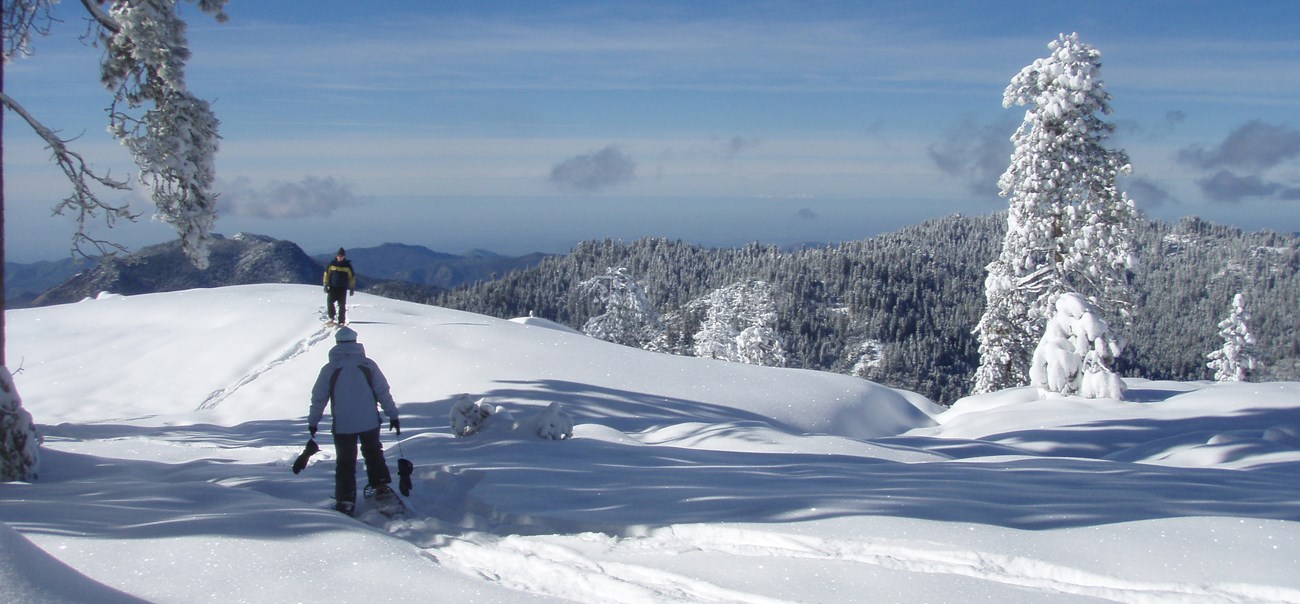
Free, Ranger-guided Snowshoe Walks
No experience necessary! We provide the snowshoes; you bring warm layered clothing, waterproof boots, gloves, hat, sunglasses, sunscreen, water, and a snack. The walks are moderately strenuous. Children who participate in ranger-led snowshoe walks must be 10 years and up (due to the size of the snowshoes and the moderately strenuous conditions). Waterproof shoes are required (no tennis shoes please). Walks last 1½ – 2 hours and are range from 1.5 – 2 miles in length.
Snowshoe walks typically begin as soon as there’s enough snow on the ground, and end as snow conditions deteriorate. If snow conditions are poor, rangers may offer a guided hike instead of a snowshoe walk. For these hikes, we recommend traction devices (cleats) for your boots.
Reservations are required. Snowshoes are provided for this program with a 20-person program limit that can vary in distance, time, and difficulty. Call or make a reservation in person at the visitor center to secure your spot. Snowshoe walks may be cancelled if there’s not enough snow or due to poor weather conditions. For a complete list of ranger talks and programs visit our events calendar.
Exploring on Your Own
Many trails are suitable for snowshoeing when there’s enough snow. Rent snowshoes at Grant Grove Market, or bring your own. Purchase a map of ski trails at any visitor center and look for reflective markers on trees that show popular paths. When snowshoeing, stay clear of ski tracks. Check the park newspaper’s winter safety tips.
Cross-country Skiing
If there is sufficient snow, many areas of the park may be accessed by skis. Both Giant Forest and Grant Grove offer ski trails through sequoia groves. Purchase a map of ski trails online or at any visitor center. Please avoid skiing in residential areas, plowed roads, and other areas as signed.
Overnight Ski and Snowshoe Trips
For well-prepared and skilled winter travelers, the challenges of exploring park wilderness lands in winter can lead to a rewarding experience. Be familiar with ways to stay safe in cold or snowy weather conditions; be prepared for emergencies, and remember that weather in these mountains can change suddenly. Wilderness permits are required for all overnight trips away from designated campgrounds. Whether you stay at Pear Lake Winter Hut or create your own campsite, enjoy your adventure and be safe.
Wildlife Spotting in the Winter
Winter in Sequoia National Park unveils a different side of its wildlife. Keep your eyes peeled for elusive creatures like bobcats, mule deer, and even the occasional black bear. The quietude of winter enhances your chances of spotting these majestic animals against the snowy backdrop. Don’t forget to bring your binoculars and camera to capture these magical moments.
Seeing wildlife in a natural setting can be a great experience, as long as you’re careful. When viewing animals in the parks, keep a few things in mind:
- Familiarize yourself with the animals that live in these parks.
- Learn what time of day different species are active. Dawn or dusk tend to be good times to see a variety of wildlife.
- Learn about wildlife habitats. Many animals like to spend time near the edges of a landscape, like where forest trees meet a grassy area.
- Learn to look for signs such as tracks and scat.
- The best way to view and enjoy a wild animal is from a distance with binoculars. When you come across an animal, sit still, watch from behind cover like a shrub or tree, and enjoy. Never disrupt, approach or attempt to feed wild animals; this is dangerous to you and the animal.
- Bring binoculars for viewing from a distance.
- Take a hike or walk and tread quietly.
- Sit quietly and still. Watch from behind cover (while staying on the trail) or from your car.
Camping in Sequoia National Park During Winter
For the bold adventurers, camping in Sequoia National Park during winter offers a unique experience. Buckle up for a true wilderness escapade by setting up camp in designated winter camping areas. Campgrounds open in the winter include Potwisha (near Ash Mountain) and Azalea in Grant Grove Village. From Ash Mountain or Grant Grove Village, allow 1 1/4 hours to the Wolverton Trailhead, plus however long you plan to stay in the wilderness. Enjoy the solitude of the snowy landscape, cozy up by the campfire, and gaze at the star-studded sky for an unforgettable winter camping experience.
Preparing for a Winter Trip to Sequoia National Park
Proper preparation is key to an enjoyable winter visit. Learn about road conditions, park closures, and weather forecasts before embarking on your journey. Make sure your vehicle is equipped for winter driving, and check for any necessary permits or reservations. Planning ahead ensures a smooth and safe adventure in Sequoia National Park.
Navigating Winter Wonders: A Road Trip Guide through Sequoia National Park
Winter unveils a different charm in Sequoia National Park, but with unpredictable weather, preparation is key. The snow can surprise at any elevation, making warm clothing, a sleeping bag, water, and emergency food essential. Here’s your guide to experiencing the park’s winter wonders:

Driving from Sequoia’s Ash Mountain Entrance to Lodgepole:
- Be winter-ready; chains are often required, and advisories can linger after storms.
- Allow 1.5 hours one-way, factoring in time for viewpoints.
- Historic Entrance Sign: A mile past Foothills Entrance, discover the 1935 Sequoia National Park Sign.
- Kaweah River to Hospital Rock: Marvel at views along the river, with historic Hospital Rock as a highlight.
- Amphitheater Point: A hairpin turn offers a side view of Moro Rock and the snowy Castle Rocks.
- Eleven Range Overlook: Enjoy a vista overlooking Kaweah Canyon towards the San Joaquin Valley.
- Beetle Rock: A short hike from the Giant Forest Museum reveals stunning views from this granitic dike.
- Marble Fork Canyon: Experience dramatic views as you climb out of the canyon into a snowy sequoia landscape.
- The General Sherman Tree: Accessible year-round, though the trail may be icy in winter.
- Views of the Watchtower: Head to Lodgepole Campground (closed in Winter) for dramatic views of the Watchtower.
- Outdoor Adventure: Explore Moro Rock and Crescent Meadow via snowshoe or cross-country ski.
Driving from Lodgepole to Grant Grove:
- Witness snow-filled meadows and mountain vistas; the road may close for snow removal.
- Buena Vista Peak: A 1-mile trail offers clear-day views of Redwood Canyon, Buck Rock Lookout, and the High Sierra.
- Big Meadows Road: A Forest Service road transforms into a peaceful cross-country ski trail in winter.
- Kings Canyon Overlook: Stop for waysides and breathtaking winter views of Kings Canyon and the High Sierra.
- Redwood Mountain Overlook: Enjoy an excellent view of the world’s largest sequoia grove.
- Redwood Mountain Grove: For the adventurous, snowshoe or ski into the world’s largest grove of giant sequoias.
Driving from Grant Grove to Hume Lake:
- Take Highway 180 north from Grant Grove, but be aware of potential closures for snow removal.
- Hume Lake: Discover a serene lake with beautiful beaches, maintained by a private camp.
Driving from Fresno to the Big Stump Entrance Station and Grant Grove:
- This route, especially in winter, is the easiest. Snowplay options are available at Big Stump Picnic Area and Columbine Picnic Area as you enter the park.
Embark on a winter road trip through Sequoia National Park, where each turn reveals a snowy spectacle and every stop offers a glimpse into the park’s rich history and natural wonders.
What to Pack for a Winter Trip to Sequoia National Park
Pack wisely to stay warm and comfortable during your winter escapade. Include layers, waterproof clothing, insulated boots, and essentials like gloves and hats. Don’t forget to bring along a thermos with hot beverages to keep yourself warm during your outdoor explorations. A well-prepared adventurer is a happy adventurer!
Winter Photography Tips for Sequoia National Park
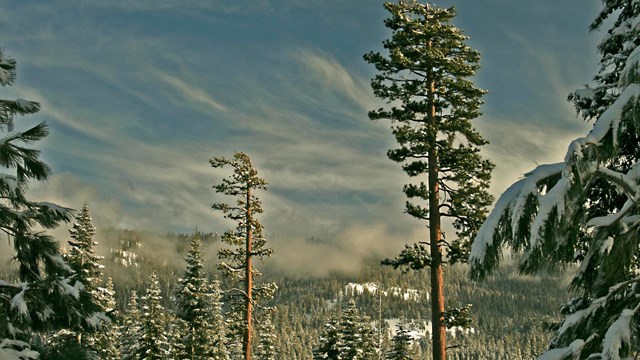
Capture the stunning winter landscapes with these photography tips. Utilize the soft morning light to enhance the snow-covered giants, and experiment with different angles to showcase the park’s winter beauty. Ensure your camera gear is cold-resistant and bring extra batteries to capture every breathtaking moment.
In the presence of the world’s tallest and most massive trees, the challenge of capturing their scale and grandeur through a lens is both daunting and immensely rewarding. Photographer Victoria Reeder, intimately acquainted with redwoods, shares her professional tips to ensure your redwood shots are nothing short of spectacular.
Know Before You Go:
- Treat photography as a main objective by researching road conditions, accessibility, and cell service in advance.
- Utilize a app to gauge light conditions, especially considering the unique sunset timings in mountainous regions.
Be at the Right Place at the Right Time:
- Embrace the ever-changing light in a redwood forest, with the golden hour being Reeder’s preferred time for its soft, diffused quality.
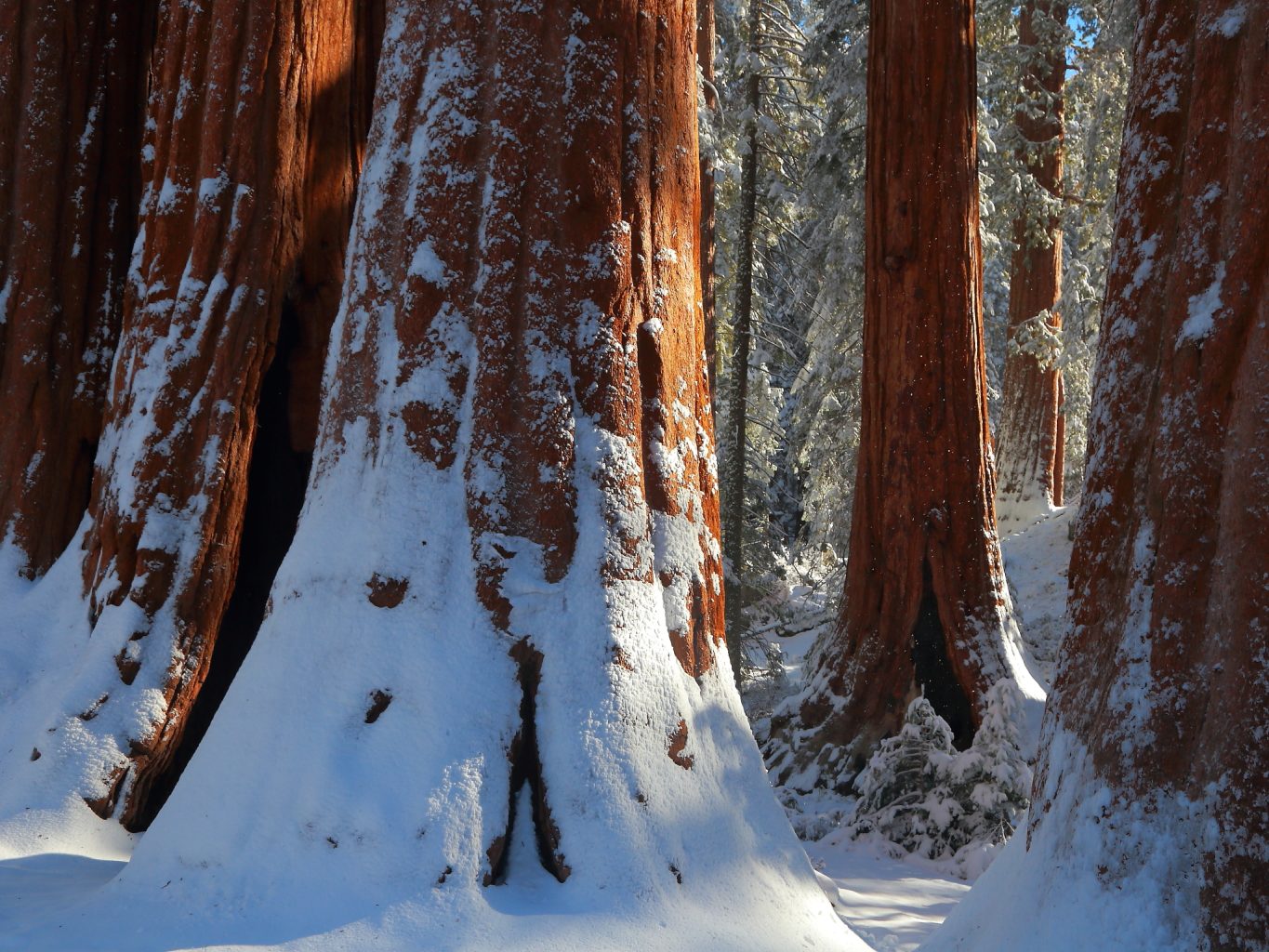
- Consider seasonality; for instance, shoot coast redwoods in spring for morning fog and blooming flowers, while giant sequoias covered in winter snow create a spectacular scene.
Go Big or Go Small:
- Overcome the challenge of framing a redwood from bottom to top by crouching or sitting on the ground, turning your phone upside down for a unique perspective.
- To capture a tree’s largeness, incorporate a person in the foreground but be mindful of the shallow root system to avoid damage.
Phone It In:
- Smartphones with good cameras are excellent tools; ensure focus and experiment with filters on the fly.
- Reeder recommends the Hipstamatic app for fun and experimental photography.
Level Up Your Photography Skills:
- For more advanced shooting, consider a wider-angle lens for coast redwoods and giant sequoias, avoiding super-wide or fisheye lenses to prevent distortion.
- The versatile 50mm lens is ideal for capturing both the entire tree and intricate details, while a 105mm lens is recommended for macro photography.
Get to Know Your Subjects:
- Choose trees intuitively, focusing on those that resonate with you.
- Prairie Creek Redwoods State Park is Reeder’s favorite for coast redwoods, Sequoia National Park’s less busy areas for giant sequoias, and Alder Creek for its spectacular scenery.
Immerse yourself in the world of Sequoia National Park’s giants, armed with these professional tips to transform your photography into a truly memorable experience.

Other Winter Activities in Sequoia National Park
Beyond snowshoeing and wildlife spotting, Sequoia National Park offers a variety of winter activities. Savor the tranquility of the General Sherman Tree, embark on ranger-led snowshoe walks, or indulge in some snow play with family and friends. The possibilities are endless, ensuring a memorable winter getaway.
Making the Most of Your Winter Days in Sequoia National Park
If You Have a Day:
Entering via Hwy 198: A Snowy Adventure at Wolverton Snowplay Area For a day filled with winter delights, enter Sequoia National Park via Hwy 198. Head to the Wolverton Snowplay Area, where you can sled, ski, or snowshoe amidst the pristine snow. Don’t worry if you lack gear – rent snowplay essentials at Wuksachi Village. Plan for a 2-3 hour drive on the Generals Highway loop, allowing extra time based on winter conditions. In the iconic Giant Forest, immerse yourself in the towering sequoias on the Big Trees Trail. Remember to bring tire chains, layered clothing, and emergency supplies, including water and food.
Entering via Hwy 180: Winter Fun at Big Stump or Columbine Opting for Hwy 180? Enjoy winter sports at Big Stump or Columbine near Grant Grove Village. Swing by the Visitor Center to grab tickets and gear up for your adventure at Grant Grove Village Market. Allow 2-3 hours for the drive on the Generals Highway loop, adjusting for winter conditions. As always, be prepared with tire chains, layered clothing, and essential provisions for a safe and enjoyable day in the snowy landscape.
If You Have a Couple of Days:
Entering via Hwy 198: Foothill Exploration and Sequoia Splendors For a more leisurely experience, spend a couple of days exploring Sequoia National Park via Hwy 198. Begin in the Foothills by hiking one of the trails near Ash Mountain. Pause at Hospital Rock to marvel at Native American grinding stones and pictographs. If your accommodations are in Wuksachi Village or the Lodgepole Village campground, embark on a hike or snowshoeing adventure in Giant Forest. Visit the awe-inspiring General Sherman Tree and immerse yourself in the exhibits at the Giant Forest Museum.
Entering via Hwy 180: Snowshoe Strolls and Sequoia Marvels Choose Hwy 180 for a two-day winter retreat in Sequoia National Park. Join a complimentary snowshoe walk in Grant Grove Village and keep an eye out for wildlife tracks on the scenic trails around Grant Grove Village. Take a moment to appreciate the Redwood Canyon Overlook, just south of Grant Grove Village, offering a glimpse into the world’s largest grove of sequoias. Embrace the winter magic of Sequoia National Park over two unforgettable days.
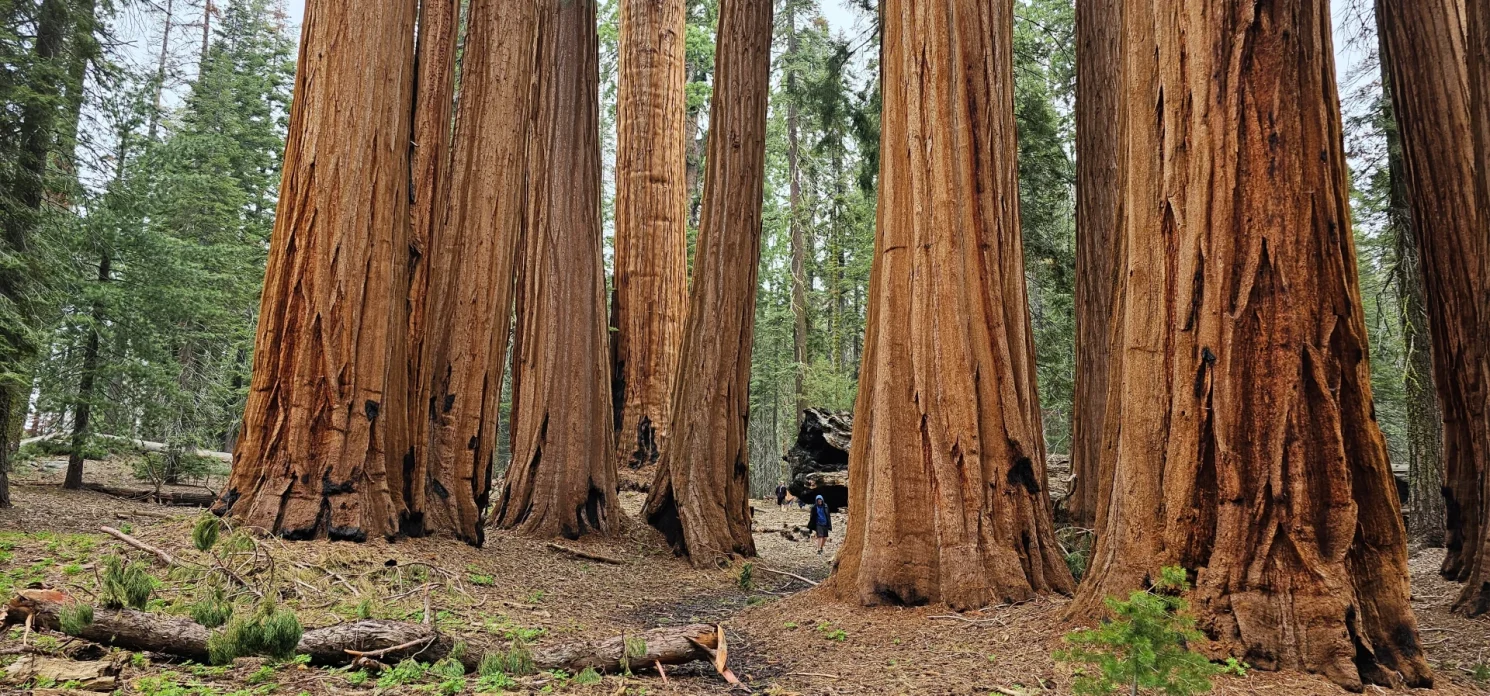
Plan your itinerary, pack accordingly, and dive into the winter wonders of Sequoia National Park. Whether you have a day or a couple of days, each moment spent in this snowy paradise promises to be a memorable adventure.
Embrace the Winter Wilderness in Sequoia National Park
Sequoia National Park in winter is a captivating blend of natural beauty and outdoor adventure. Whether you’re a seasoned winter explorer or a first-time visitor, the park’s snow-covered landscapes and diverse activities make it a must-see destination. Embrace the crisp air, marvel at the snow-draped giants, and relish the tranquility of Sequoia National Park’s winter wilderness. Plan your visit, pack your bags, and embark on a journey to discover the magic of winter in this Californian gem.