
Lake Tahoe Inspectors Intercept Vessel with Golden Mussels
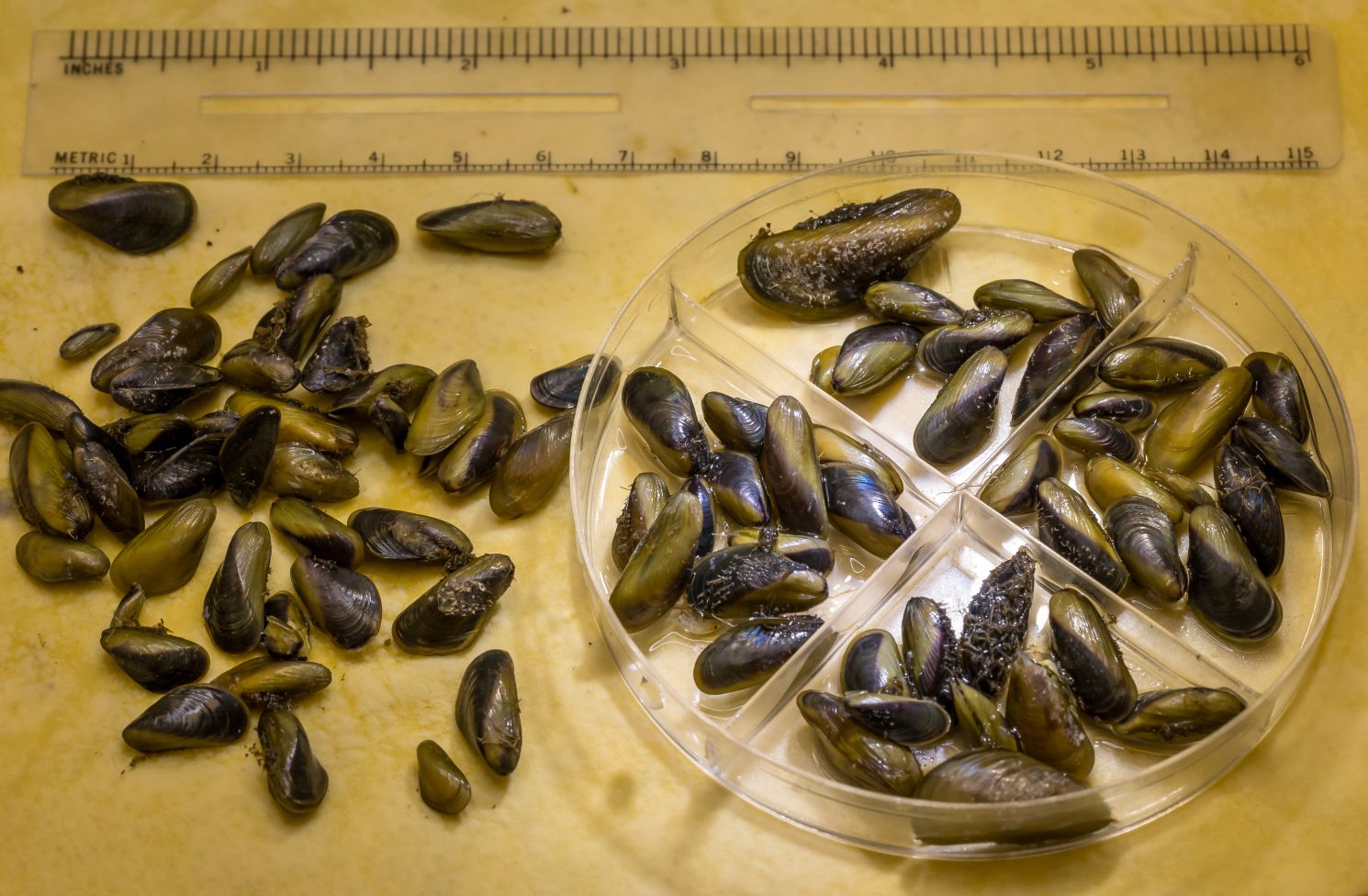
At first glance, watercraft inspections might seem like just another delay on your way to a great day on the lake. But last week’s discovery at the Alpine Meadows inspection station reminds us why these extra steps are so critical: a 65-foot vessel was found carrying golden mussels, one of the most destructive aquatic invasive species in North America.
Why Mussel Inspections Matter More Than Ever
This marks the first-ever interception of golden mussels by the Lake Tahoe watercraft inspection team—a victory for the lake and for every person who cares about preserving its clarity, recreation, and native ecosystem.

These mussels aren’t just hitchhikers. They’re a potential ecological disaster.
“Golden mussels pose an extreme threat to Lake Tahoe and the waters of the region and it is critical that everyone stay vigilant and always Clean, Drain, and Dry all watercraft and equipment when visiting new areas,” said Dennis Zabaglo, aquatic invasive species program manager for the Tahoe Regional Planning Agency (TRPA). “We are fortunate to have such highly trained inspectors and committed partners at marinas and boat ramps, but protecting the waters of the Tahoe Region from the spread of aquatic invasive species takes all of us.”
TRPA and Tahoe Resource Conservation District (Tahoe RCD), which manage the Lake Tahoe Watercraft Inspection Program, strengthened inspection procedures in March in response to the golden mussel discovery just a few hours away from the Tahoe Basin. The agencies added mandatory decontaminations to the required inspection process for all visiting motorized watercraft entering Lake Tahoe, Fallen Leaf Lake, and Echo Lake.
Inspectors at the Alpine Meadows station conducted an initial decontamination of the 65-foot vessel. It will be held under quarantine under California Department of Fish and Wildlife regulations until the vessel is deemed risk-free. Watercraft Inspection Program managers are also coordinating with Nevada Division of Wildlife and other state agencies and continue to share information on all detections with agencies in both states and the western U.S.
As new threats to Lake Tahoe emerge, the emphasis on following Clean, Drain, Dry protocols remains for all boaters, paddlers, anglers, and beachgoers. Golden mussels are not in Lake Tahoe, and following Clean, Drain, Dry protocols will reduce the risk of invasion, according to Tahoe RCD Aquatic Invasive Species Program Manager Chris Killian.
“With the support of boaters and paddlers, we have kept Lake Tahoe safe from many invasive species, but the survivability of golden mussel and their proximity to Tahoe make them a greater threat than other aquatic invasive species,” Killian said. “The Lake Tahoe inspection program has become a national model because it is so comprehensive. The move to mandatory decontaminations this year was a crucial step to continue protecting the waters of the Tahoe Region for all to enjoy.”
Since their discovery in the Port of Stockton, Calif., golden mussels have been detected as far south as Bakersfield through connected water systems. Areas outside the Tahoe Region have responded to the threat by standing up prevention programs, temporary waterbody closures, and 30-day quarantine periods in some areas.
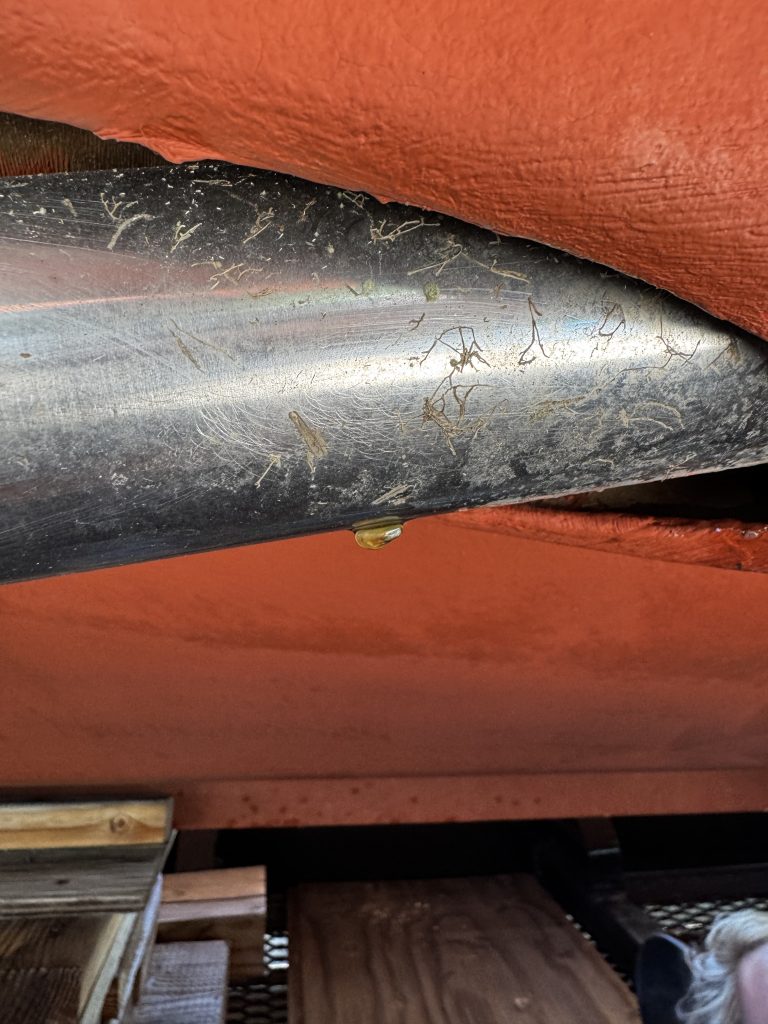
Credit: Tahoe Regional Planning Agency
What’s at Stake?
Golden mussels, similar to quagga mussels, spread quickly and attach to everything—boats, docks, rocks, even water intake systems. But they’re hardier, can survive in more varied environments, and reproduce faster, making them even more dangerous to delicate lake ecosystems like Tahoe.
If they ever made it into Lake Tahoe, the effects would be irreversible:
- Massive damage to infrastructure
- Cloudy, algae-filled waters
- Threats to native species
- Loss of Tahoe’s iconic clarity
That’s not just a hit to the environment—it’s a blow to recreation, tourism, and local economies.
The Good News? The System Worked.
Thanks to vigilant inspectors and a strengthened inspection process that now requires mandatory decontaminations for all visiting motorized watercraft, the mussels were caught before they reached the lake.

The vessel is now quarantined, and agencies across California and Nevada are coordinating to ensure it stays that way.
This is a huge win—and a reminder: Clean. Drain. Dry. It’s not a slogan. It’s a shield protecting every Sierra lake we love.
More Than Tahoe: A Growing Regional Movement
The golden mussel’s reach is expanding—from the Sacramento-San Joaquin Delta all the way south to Bakersfield. Lakes across the Sierra are ramping up protections, including new inspection stations, prevention programs, and quarantine protocols.
As frustrating as inspections might feel in the moment, they are working. They are the line of defense between us and an irreversible ecological crisis.
Do Your Part
If you’re planning to boat at Lake Tahoe, Fallen Leaf Lake, Echo Lake—or any of the high Sierra reservoirs—please follow inspection protocols and Clean, Drain, Dry your gear. Your awareness is just as important as the inspectors’ vigilance.
This is stewardship in action. One boat. One inspection. One lake saved.
🛶 Learn more or make an appointment at TahoeBoatInspections.com
📞 Questions? Call (888) 824-6267 or email AIS@TRPA.gov