
Ultralight power meets trail-ready reliability in the Sierra backcountry.
A Shift in Stove Strategy
I’ve been a longtime fan of integrated pot stove systems like the MSR WindBurner—stable, efficient, and wind-resistant. But heading into our early September backpacking trip from Tuolumne Meadows to Yosemite Valley, I made a conscious decision: cut pack weight wherever I could.
That meant leaving the beloved WindBurner behind and giving the Optimus Crux Lite a real-world test. At just 2.5 oz, this tiny stove promised big performance in a minimalist package.

Field Tested: Yosemite Wilderness
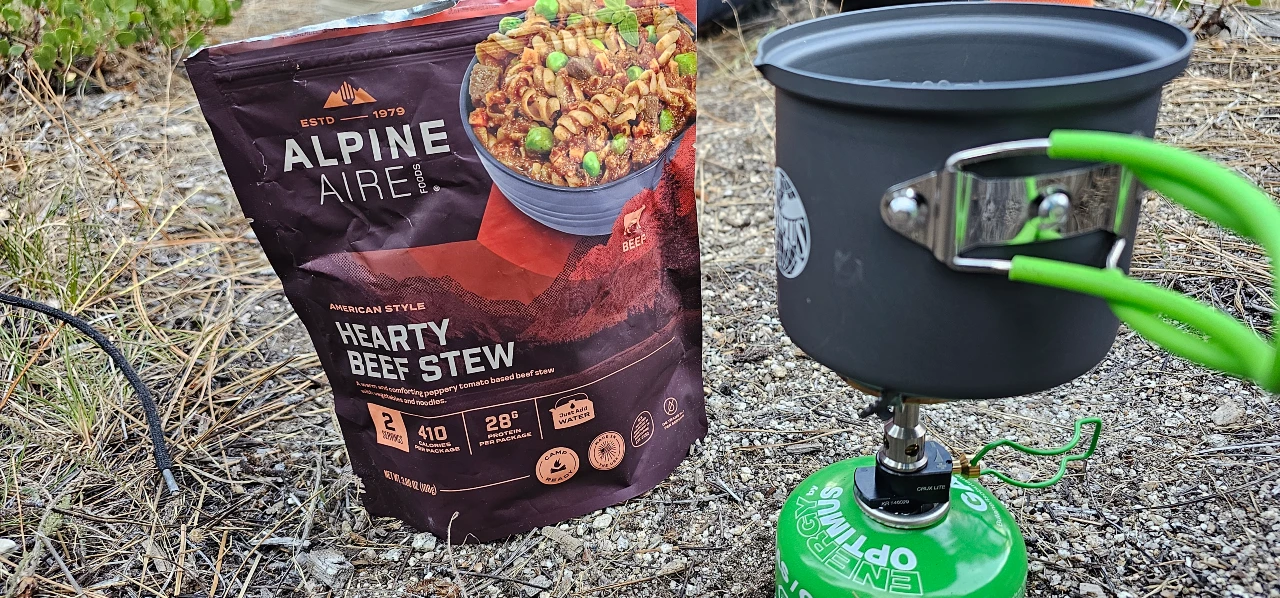
On a 5-day, 50+ mile route through Yosemite’s granite spine, we carried the Crux Lite alongside an Optimus pot and mid-size fuel canister. This was our only stove—used for daily dinners, morning coffee, and quick trail meals.
What stood out?
- The weight difference was immediate. Compared to my usual system, this setup felt featherlight and took up significantly less space in my pack.
- Setup was intuitive, but we quickly learned to keep the fuel upright when attaching the stove. Holding the canister sideways released extra fuel and chilled our fingers with the escaping vapor.
- Once lit, boiling water was smooth, even if not as rapid as the WindBurner. On average, it took about a minute longer to bring water to boil. Still, meals were ready in under 15 minutes, and morning coffee was no problem.
Real Trail Use: Strengths & Lessons
Overall, the Crux Lite performed flawlessly—but it’s a different experience than cooking on an integrated unit. Stability matters more. On Day 2, I accidentally unfolded only two of the three pot supports, and though I didn’t spill my dinner, it came close.
This stove demands a bit more attention. On long trail days, when you’re tired, hungry, and a bit less focused, the small burner base can feel a little precarious—especially on uneven ground. That said, I never actually tipped a pot, and the performance never failed.

It’s also worth noting: this stove will become a regular part of my backcountry rotation. For long trips where weight matters, it’s too good not to bring.
Performance Summary
| Feature | Details |
|---|---|
| Weight | 2.5 oz / 72g |
| Output | 3,000 W / 10,200 BTU/h |
| Boil Time | ~3 min per liter (low wind), ~4 min (windy conditions) |
| Burn Time | Up to 90 min with 220g canister |
| Dimensions | 71 x 57 x 56 mm |
| Material | Stainless steel + aluminum |
| Fuel Type | Butane/Isobutane/Propane canisters |
| Stability | Best with 700ml–1L pots |
| Pot Support | 3-arm non-folding (requires careful setup) |
| MSRP | ~$45–55 (varies by retailer) |
Final Verdict: Worth the Trade?
Will it replace my WindBurner full-time? Probably not. The WindBurner’s wind protection and all-in-one stability make it ideal for quick cooking without focus. But when ounces matter—and they often do—the Crux Lite absolutely earns its place in the bag.
This stove is ideal for:
- Ultralight backpackers who want performance without bulk
- Thru-hikers cutting every ounce
- Sierra adventures with reliable weather and smart campsite planning
- Backup stove setups in group gear kits

Trail Tip
Double-check the pot support arms before firing up the burner. It’s easy to miss one when you’re tired or distracted—and while the stove has decent balance, it won’t forgive sloppy setups.
Rating:
Highly Recommended for Sierra ultralighters, solo backpackers, and minimalists who value pack space, smart design, and fast, fuel-efficient boils. Shop for Katadyn Optimus Stove locally
If you’re ready for your own upgrade—or downgrade in weight—check availability and specs at Katadyn Group’s website.


