
The Truckee River, a historical lifeline for Nevada’s native fish, is seeing a groundbreaking project that promises to restore habitats and aid the recovery of two species central to the Pyramid Lake Paiute Tribe’s cultural heritage: the Lahontan cutthroat trout and Cui-ui sucker. For decades, these fish populations have been affected by water infrastructure developments, like dams, that block their access to essential habitats. But thanks to an $8.3 million investment from the Bipartisan Infrastructure Law, a new passageway at the Numana Dam is helping turn the tide.
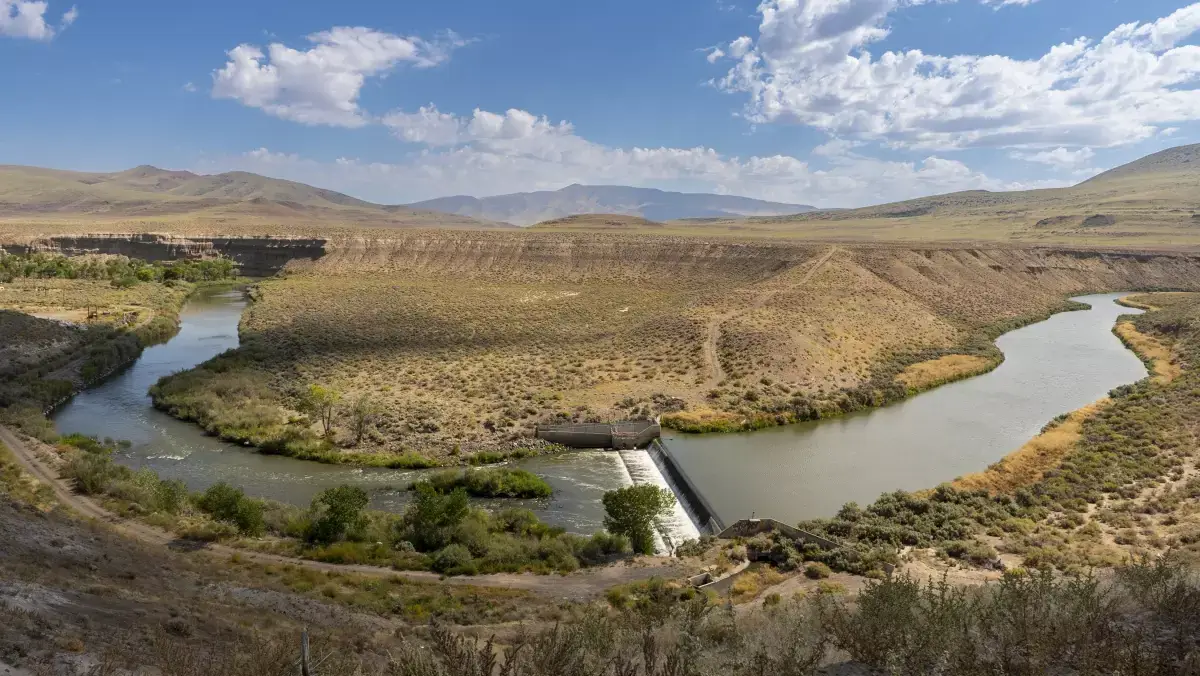
Yesterday, Acting Deputy Secretary Daniel-Davis visited the Truckee River near Reno, Nevada, with officials from the U.S. Fish and Wildlife Service to tour collaborative ecosystem restoration projects supporting the recovery of two federally listed fish species, the Lahontan cutthroat trout and the Cui-ui sucker. Both fish are central to the Pyramid Lake Paiute Tribe’s culture and have been negatively impacted by water infrastructure and land use changes over the last century, including the installation of dams.
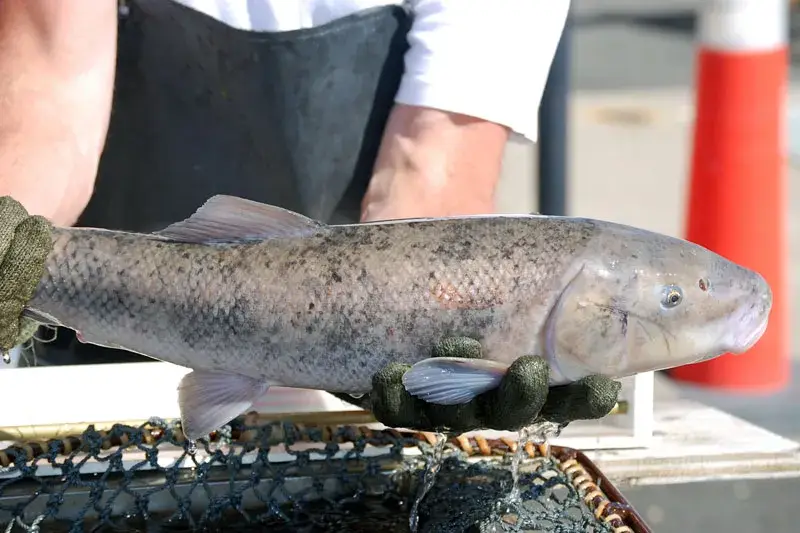
This project, part of the National Fish Passage Program, is retrofitting the dam with a 1,000-foot roughened ramp to allow these fish to access an additional 65 miles of their natural habitat along the Truckee. The goal is to reconnect their spawning grounds, essential for their survival in the wild, and help restore the river’s ecosystem. Historically, Lahontan cutthroat trout were native across the western Great Basin, but populations declined as water was diverted and dams obstructed natural migrations. The Cui-ui sucker, another species once plentiful in Pyramid Lake, faced similar challenges until recent conservation efforts.

The National Fish Passage Program is about more than just reconnecting rivers; it’s a long-term effort to restore habitats, support tribal cultural practices, and create more resilient ecosystems. Working alongside communities and tribes, the program has removed over 3,500 barriers nationwide, opening thousands of miles of upstream habitat for aquatic species since 1999. This work also builds resilience for communities along these rivers by improving flood control and reducing infrastructure costs.
Through partnerships like this, the Truckee River could see its native fish species recover, while offering anglers and nature lovers a glimpse of Nevada’s unique environmental heritage.