Captivating Views and Tranquil Serenity Await At Yosemite’s Glacier Point
Welcome to Glacier Point, Located 3200 feet above Yosemite Valley Floor, Glacier Point is captivating, and quiet the experience the first time you catch the view on your first visit. Glacier Point offers a breathtaking experience, that gives you a unique perspective of Half Dome the Cathedral range and the vast Wilderness that lies beyond the often visited Yosemite Valley. As a backpacker and explorer it is this famed view point that strikes my imagination as I can spot peaks, canyons and potential routes, that have me diving into the maps i carry to see what is hidden still from my view.
Of course the Postcard shot is of Half dome and the Hidden Lake valley corridor that leads up to Tenaya Lake (Unseen by visitors, but that is where that canyon in front of Half dome leads). As I look out I start to recall and point out the locations I have been around Yosemite that I can see. Mt Hoffman to the North, the highest peak I have personally climbed, North dome straight across from the face of Half dome, Clouds rest, funny how from this angle its hard to tell it is higher than Half Dome, Echo Peak and Vogelsang peaks deep in the background, some of my favorite backpacking destinations.

Of course the crowds here at Glacier point leave me personally longing for the backcountry trails that cant be seen from here, but certainly can be remembered or imagined as I look beyond Half dome. But today the crowds are fine, as we are here to enjoy one of the iconic locations of Yosemite National park.
Yet as I sit here, soaking in this legendary view, my eyes start to drift what paths lead to the Valley below or to other scenic vistas and wonders? The maps indicate there’s a whole network of trails branching out from Glacier Point, each leading to its own incredible adventure. To my left, I can trace the ridgeline toward Taft Point, where the sheer drop-offs and overhanging rock formations offer one of the most exhilarating, vertigo-inducing views in the park. The Fissures, those deep cracks in the granite, remind me how dynamic and powerful this landscape really is.
Just beyond that, the Pohono Trail calls to those looking for a high-country traverse along the Valley’s rim, connecting viewpoints like Sentinel Dome and Dewey Point before dropping into lesser-known terrain. If I were setting out on foot today, I’d be torn between that route and the enticing journey down to Illilouette Falls, a hidden cascade tucked into its own canyon just out of sight from where I sit. Unlike the roaring waterfalls of the Valley, Illilouette feels intimate and wild—a reward for those willing to leave the crowds behind.
And of course, for the most ambitious hikers, the trail down from Glacier Point leads all the way into Yosemite Valley via the Four-Mile Trail, a switchback-laden descent that transforms this scenic overlook into the perfect launching point for a day of exploration. Or, for those looking to go even further, the legendary Panorama Trail beckons, weaving past Illilouette, skirting the edge of sheer granite cliffs, and offering unparalleled views before connecting to Nevada and Vernal Falls.
Sitting here, I can’t help but feel that Glacier Point isn’t just a destination—it’s an invitation to see Yosemite from a different angle in life. An invitation to wander, to imagine, and to step beyond the viewpoints into the vastness of Yosemite’s backcountry. Whether you’re here for a moment or a multi-day trek, the view from Glacier Point isn’t just about what you see—it’s about where it can take you.

The beauty of Glacier Point
Glacier Point is a natural wonder that showcases the beauty of Yosemite National Park in all its glory. It is perched at 7,214 feet, providing an unparalleled view of the surrounding landscape. The granite cliffs and peaks that surround Glacier Point are a testament to the earth’s raw power and beauty. As you stand at the edge of the overlook, you’ll feel a sense of awe wash over you, taking in the breathtaking vistas that unfold before your eyes.
The highlight of Glacier Point is undoubtedly the panoramic view it offers of iconic landmarks such as Half Dome and Yosemite Falls. The sheer magnitude of these beautiful natural wonders is truly awe-inspiring. Half Dome, with its iconic shape, stands tall and proud, dominating the skyline. Yosemite Falls, the tallest waterfall in California, cascades down in a magnificent display of nature’s power. The combination of these landmarks, along with the expansive valleys and lush forests, creates a scene that is nothing short of magical.
Exploring Glacier Point: More Than Just a View
While the breathtaking panorama steals the show, Glacier Point is far more than just a scenic overlook—it’s a gateway to adventure. Standing here for the first time, I can’t help but take in the many ways visitors can experience this place beyond simply admiring the view.
For those who prefer to keep things easy, short walks from Glacier Point offer fantastic perspectives without the effort of a long hike. The paved pathway along the viewpoint itself makes it accessible for just about anyone, and it’s worth taking a few extra steps to explore different angles of the valley below. Washburn Point, just south of Glacier Point, has similar views, though the views of Vernal and Nevada Falls are more direct.
But if you’re like me and can’t resist the call of the trail, hiking options from Glacier Point are some of the best in Yosemite. The Four-Mile Trail drops dramatically from here into the Valley, a steep but rewarding route that lets you experience the transition from high alpine terrain to the lush meadows below. Then there’s the Panorama Trail, which may just be one of the most scenic trails in the entire park—winding past Illilouette Falls, then linking up with the Mist Trail at Nevada and Vernal Falls before finally reaching Yosemite Valley. It’s the kind of route that makes you feel like you’ve traveled through multiple landscapes in a single day.
For those craving an elevated perspective (yes, even higher than this), Sentinel Dome is just a short drive or hike away. A quick but steep walk takes you to the top, where a 360-degree view stretches from Half Dome to the distant Sierra crest. And for the thrill-seekers, Taft Point is an unforgettable experience—standing at the edge of a sheer drop, looking straight down into Yosemite Valley. There’s nothing quite like it.
Even the rock climbers find their place here. While most of Yosemite’s legendary climbs are found on El Capitan or in Tuolumne, Glacier Point has its own granite playground, where climbers challenge themselves on sheer faces with stunning exposure. While I won’t be roping up today, I can’t help but admire the dedication of those scaling these walls, earning a view that few will ever see.
Whether you’re here for a quiet sunrise, an all-day hike, or simply to soak in one of the most iconic views in the world, Glacier Point isn’t just a destination—it’s an invitation to explore. And now, standing here for the first time, I finally understand why this place has inspired generations of adventurers.
Hiking from Glacier Point: Trails That Take You Deeper Into Yosemite
As incredible as the view is from Glacier Point, I know that the best way to truly experience this landscape is to step off the pavement and onto a trail. From this vantage point, I can see the winding paths that descend into Yosemite Valley, carve across ridgelines, and disappear into the backcountry. For those looking to move beyond the overlook, Glacier Point is the perfect trailhead for adventure.

Glacier Point Trail: A Short Walk with Big Views
If you’re short on time but still want to stretch your legs, the Glacier Point Trail is a great way to take in the scenery at a leisurely pace. This 4-mile round-trip hike meanders through lush forests and grants ever-changing perspectives of the valley below. Though the trail has some moderate climbs, it’s accessible to most hikers, and the reward—sweeping views of Half Dome, Yosemite Falls, and the High Sierra—makes every step worthwhile.
The Panorama Trail: A Journey Through Yosemite’s Best Landscapes
For those ready to commit to a full-day hiking experience, the Panorama Trail is nothing short of spectacular. At 8.5 miles, it lives up to its name, offering breathtaking sights at every turn. From here, the trail drops toward Illilouette Falls, a lesser-visited cascade tucked into its own rugged canyon. Beyond that, the route ascends again, treating hikers to incredible views of Nevada and Vernal Falls before descending into the valley, where the roar of the Merced River welcomes you at the trail’s end. Having explored Yosemite from so many different angles, I can confidently say that this hike encapsulates everything that makes the park special—vast granite landscapes, towering waterfalls, and the sense of traveling through multiple ecosystems in a single day.
Four-Mile Trail: A Descent Into the Heart of Yosemite
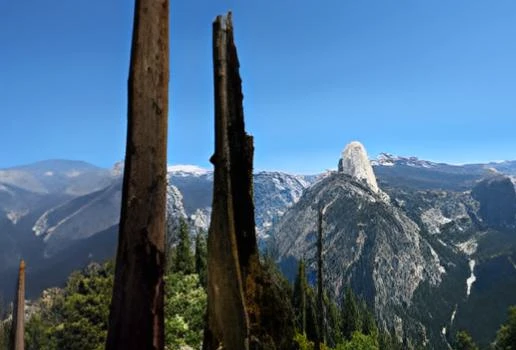
If you’ve ever stared up from the valley floor and wondered what it would feel like to walk all the way down from Glacier Point, the Four-Mile Trail gives you that chance. This historic route zigzags down the valley wall, dropping 3,200 feet in just over 4.8 miles. Every switchback opens up new views of El Capitan, Yosemite Falls, and the sprawling valley below. While the descent is easier on the lungs, keep in mind—if you don’t have a ride waiting below, the climb back up is a serious challenge.
Sentinel Dome & Taft Point: Sky-High Vistas and Sheer Cliffs
For those looking for shorter but no less rewarding hikes, Sentinel Dome and Taft Point are just a short drive or connecting hike from Glacier Point. A quick, steep trek up Sentinel Dome puts you on one of the best natural balconies in Yosemite, with 360-degree views stretching all the way to the distant peaks of the Sierra. Meanwhile, Taft Point and the Fissures offer a completely different experience—sheer cliffs, heart-pounding drop-offs, and a perspective of Yosemite Valley that feels raw and untamed. It’s not just a place to take in the view; it’s a place to feel the scale of this incredible park.
Choosing Your Own Adventure
No matter what kind of hike you’re looking for, Glacier Point delivers. Whether it’s an easy walk to soak in the scenery, a backcountry trek toward hidden waterfalls, or a demanding descent into the valley, there’s a trail here for every type of explorer. And as I stand at the edge of this overlook for the first time, tracing the paths with my eyes, I can’t help but feel the pull of the trails below—each one leading to another unforgettable Yosemite experience.
To Get There
- Car: The Glacier Point Road is open to cars approximately late May through October or November, depending on conditions. (View a list of opening and closing dates since 1995.) When open, you can drive to Glacier Point by traveling on the Wawona Road (the continuation of Highway 41 within the park)—either north from Wawona or south from Yosemite Valley. After traveling about 13 miles, turn on to the Glacier Point Road at the Chinquapin intersection. Driving time from Wawona and Yosemite Valley is about an hour.
- Bus: The Glacier Point Tour generally operates when the Glacier Point Road is open. One-way tickets are available if you’re interested in taking the bus to Glacier Point and hiking back to Yosemite Valley. If hiking to or from Glacier Point, and expecting to take the bus back, be sure you’re familiar with the bus schedule. There is no regular shuttle service between Glacier Point and Yosemite Valley.

Wildlife at Glacier Point: A Ranger’s Guide for Families
One of the best things about visiting Yosemite is the chance to see wildlife in its natural habitat. While Glacier Point might not be the deepest wilderness, it’s still a fantastic place to observe some of the park’s most iconic animals—especially if you know what to look for!
Mule Deer, Coyotes & the Occasional Black Bear
As I sit here at Glacier Point, I can already picture the early morning scene on the trails below—mule deer stepping quietly through the meadows, their large ears twitching at every sound. These gentle creatures are one of the most common mammals you’ll spot in Yosemite, often grazing along the forest edges or crossing trails at dawn and dusk.
Coyotes, on the other hand, tend to be a little more elusive. Though I’ve seen them plenty of times trotting along the valley floor, you might also hear their eerie calls echoing through the canyons in the evening. And then, of course, there are black bears—one of Yosemite’s most famous residents. While seeing a bear from Glacier Point itself is rare, they roam the forests below, and hikers on nearby trails sometimes catch a glimpse of one foraging in the distance. (If you do see one, remember to give it plenty of space and never feed wildlife!)
Birdwatching from a Bird’s-Eye View
For me, one of the most exciting wildlife experiences at Glacier Point is looking up rather than down. This is prime raptor territory, and if you scan the sky, you might be lucky enough to see a peregrine falcon slicing through the air or a golden eagle soaring over the valley. Peregrines are the fastest birds in the world, diving at speeds over 200 mph, and Yosemite’s cliffs provide the perfect nesting spots for them. Check out Yosemite’s Bird Checklist for species and time of year recommendations
You might also spot the bright flash of a Western Tanager flitting through the pines or listen for the call of a Steller’s Jay, a bold, blue-feathered trickster that is never shy about stealing a trail snack. If you’re visiting with kids, bring a pair of binoculars and make a game of spotting as many different birds as possible—you’ll be amazed at the variety even from this popular viewpoint.
A Window Into the Wild Beyond
While you won’t find bighorn sheep or mountain lions lounging near the overlook (they tend to stick to the rugged, remote parts of Yosemite’s wilderness), Glacier Point offers a unique window into their world. The vast granite slopes and distant peaks you see from here—places like Mount Clark, Cathedral Peak, and the Clark Range—are home to these elusive creatures. If you have a map, I recommend pointing them out to curious young explorers, sparking their imagination about what lies beyond the well-traveled trails.
Tips for Spotting Wildlife at Glacier Point
- Visit early or late in the day – Wildlife is most active around sunrise and sunset.
- Look for movement in the trees and meadows – Even a flick of an ear or a swish of a tail can lead to a great sighting.
- Bring binoculars – The wide-open views from Glacier Point are perfect for spotting birds of prey soaring over the valley.
- Stay quiet and patient – The less noise you make, the better your chances of seeing something special.
- Respect the wildlife – Always observe from a distance and never feed or approach animals.
An Invitation to Explore
Whether it’s a falcon swooping through the sky, a deer stepping out from the trees, or just the excitement of knowing that mountain lions and bighorn sheep roam the wilderness beyond, Glacier Point is a perfect place to connect with Yosemite’s wild side. And who knows? Maybe your next adventure will take you deeper into the backcountry, where these animals call home.
Capturing Glacier Point: A Photographer’s Tip Sheet
I wouldn’t call myself a professional photographer, but after years of capturing the Sierra through my Canon 50D, GoPro 11, and Samsung Ultra Plus, I’ve learned that great photos aren’t just about gear—they’re about timing, perspective, and storytelling. Glacier Point is one of the most photographed spots in Yosemite, but with a little creativity, you can capture images that are uniquely yours.
1. Timing is Everything
Golden hour is your best friend at Glacier Point. The first light of morning creates a soft glow over Half Dome and the high country, while sunset bathes the granite cliffs in warm hues. If you’re after those dreamy, Instagram-worthy shots, plan to be here 30–45 minutes before sunrise or sunset to find your perfect composition.
Pro Tip: Stay a little after sunset—the alpenglow on the peaks can be even more stunning than the sunset itself!
2. Go Beyond the Classic Shots
Most people head straight to the main viewpoint for the famous Half Dome shot, but exploring the edges of Glacier Point can lead to even better angles. Look for:
✅ Trees or boulders to frame your shot—this adds depth and perspective.
✅ Reflections after a rainstorm—puddles can create unexpected mirror-like effects.
✅ Silhouettes—if you visit at dawn or dusk, use hikers or trees to add scale and drama.
3. Play with Foreground Elements
A photo of Half Dome is stunning, but adding something in the foreground makes it feel more immersive. Try:
📸 Wildflowers (in early summer) for a splash of color.
📸 A rock outcropping to give scale and depth.
📸 Your own hiking boots or a backpack to tell the story of your adventure.
4. Adjust for Light & Shadows
The midday sun at Glacier Point can create harsh shadows, so if you’re shooting during the day:
🔹 Use HDR mode on your phone to balance bright and dark areas.
🔹 Look for clouds—a few wispy ones can soften the light and add drama.
🔹 If shooting with a DSLR, try bracketing (taking multiple exposures) to capture details in both shadows and highlights.
5. Capture Motion & Adventure
Not every great shot is a still landscape! Add a sense of adventure by:
🏃 Capturing movement—a hiker walking toward the viewpoint or a bird soaring overhead.
🌊 Using long exposure for waterfalls like Illilouette Falls (tripod needed!).
🤳 Getting creative with GoPro or phone angles—low-to-the-ground shots can be unexpectedly powerful.
6. Be Patient & Stay Present
Some of the best shots happen when you slow down and observe. Watch the clouds shift, the light change, and the way people interact with the landscape. And remember—sometimes the best view is the one you take in with your own eyes, not just through a lens.
Final Thought: Make It Yours
Glacier Point has been photographed millions of times, but your experience here is one of a kind. Whether it’s a quiet moment at sunrise, a lucky wildlife sighting, or the way the light hits the cliffs just right, focus on capturing your own perspective—because that’s the shot no one else has.
Where to Stay Near Glacier Point: Camping & Lodging Tips
If you want to fully experience Glacier Point, consider staying overnight in Yosemite—whether under the stars or in a cozy lodge. Waking up before the crowds and catching sunrise over Half Dome is an experience you won’t forget. Here’s what you need to know about camping and accommodations nearby.
Camping Near Glacier Point
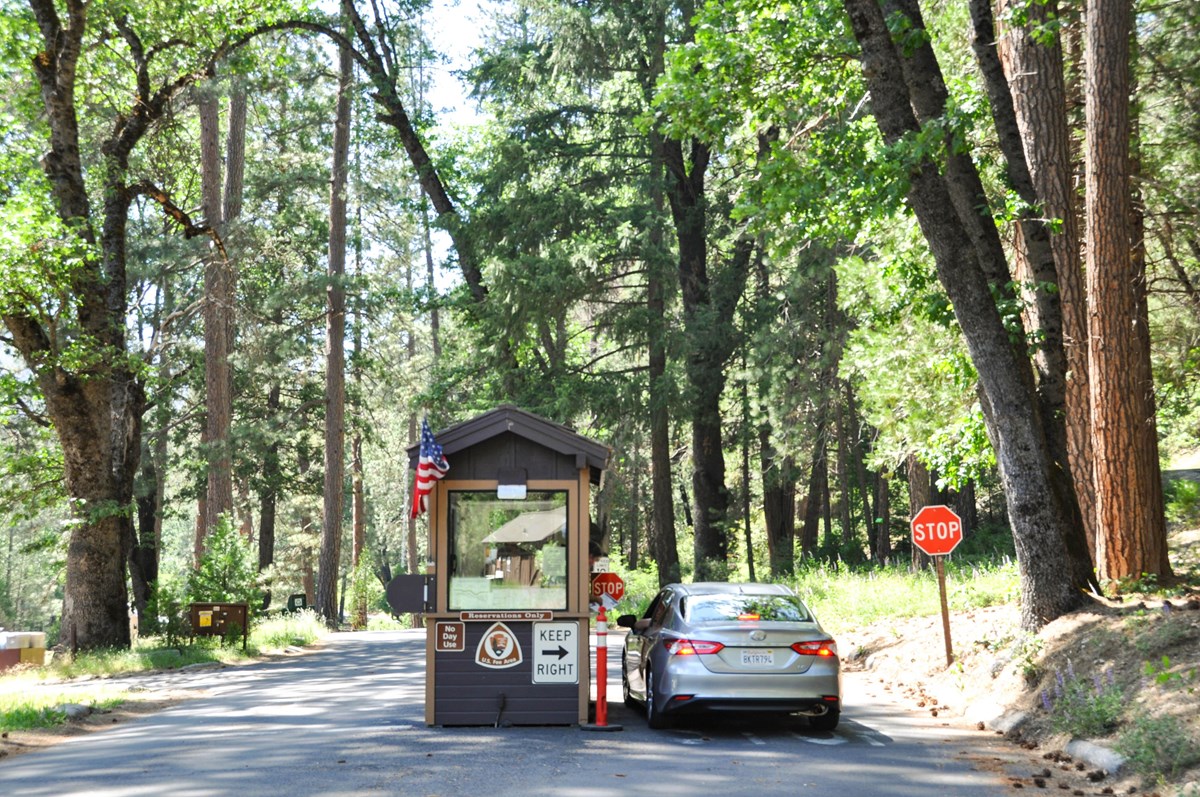
While there’s no camping directly at Glacier Point, several campgrounds nearby put you within easy reach:
⛺ Bridalveil Creek Campground- Bridalveil Creek Campground typically opens sometime mid-July and closes in early September (exact dates vary). The opening date for the campground varies depending on the opening of the Glacier Point Road and related seasonal facility and road work.
- Closest option (~8 miles from Glacier Point)
- First-come, first-served when open
- Great for those who want a quieter camping experience
⛺ North & South Pines Campgrounds (Yosemite Valley)
- ~1-hour drive from Glacier Point
- Near the Merced River, great for summer camping
- Reservations required & sell out months in advance
⛺ Wawona Campground (~45 min from Glacier Point)
- Along the South Fork of the Merced River
- Less crowded than Yosemite Valley campgrounds
- First-come, first-served in winter; reservations needed otherwise
Pro Tip: If official campgrounds are full, consider camping outside the park in Sierra National Forest, where dispersed camping is often allowed.
Lodging Options in Yosemite
If you prefer a bed over a sleeping bag, book early—lodging in Yosemite fills up months in advance.
🏡 Yosemite Valley Lodge (Closest to Glacier Point)
- ~1-hour drive to Glacier Point
- Ideal for families & first-time visitors
- Book well ahead—rooms go fast!
🌲 Wawona Hotel (Historic charm, ~45 min from Glacier Point) – Unfortunately Closed until Further Notice in 2024.
- Quaint Victorian-style lodging
- Perfect for those who love history & a quieter setting
- Other options in Wawona include renting a cabin through Redwoods of Yosemite and staying like a resident of the park.
🏔️ The Ahwahnee (Luxury option)
- Stunning lodge with views of Half Dome
- Pricey but a bucket-list experience
If staying inside the park isn’t an option, look for lodges or rentals in El Portal, Bass Lake or Fish Camp for easy access.
Best times to visit Glacier Point
Glacier Point is open year-round, However car access is closed most of the winter season, making the best time to visit depends on your personal preferences and desired activities. The summer months, from June to September, offer pleasant weather and longer days, making it ideal for outdoor activities such as hiking and camping. However, this is also the busiest time of the year, so be prepared for larger crowds and limited availability.
If you prefer a quieter experience and don’t mind cooler temperatures, consider visiting Glacier Point in the spring or fall. These shoulder seasons offer beautiful scenery, with blooming wildflowers in the spring and vibrant fall foliage in the fall. The crowds are smaller during these times, allowing you to enjoy a more peaceful and intimate experience.
For heartier Winter Experiences guest can Cross country ski or snow show into Glacier point. In wintertime the only way to reach Glacier Point is via cross-country skiing or snowshoe. The cross-country ski trip from Badger Pass Ski Area to Glacier Point in Yosemite National Park is 21 miles round trip. The trip can be completed in a day or over multiple days.
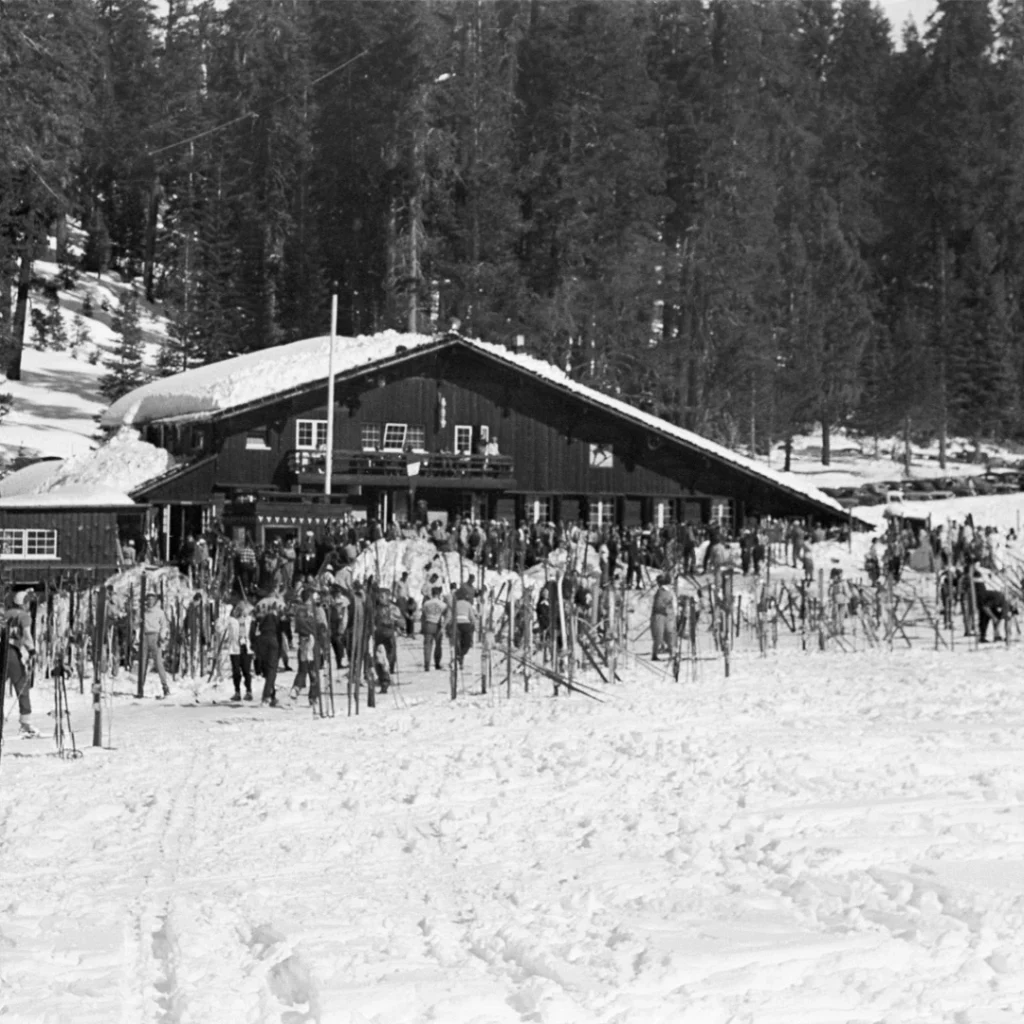
The Ski Hut at Glacier Point
The Ski Hut is a rustic lodge located at Glacier Point and is only operational in the wintertime. Here, you’ll find a charming dining area, comfortable sofas, a wonderful woodstove, and indoor bathrooms. There is also a large single-room bunk bed area that sleeps up to 20 skiers.
Winter trip details
Embark on a thrilling day trip from Badger Pass Ski Area to Glacier Point, covering a distance of approximately 10.5 miles each way. Seasoned cross-country skiers typically allocate 4 to 5 hours for this journey in either direction. If you’re up for a challenging 21-mile roundtrip excursion, Glacier Point awaits your exploration.
Please note that this adventure is best suited for experienced cross-country skiers. Novices should refrain from attempting this trek without proper preparation. For comprehensive skiing information and guidelines, refer to the resources provided for the Self-Guided Overnight Trip.
To access Badger Pass Ski Area, take advantage of the complimentary bus service departing from various points in Yosemite Valley:
- Curry Village: 8:05 am
- The Ahwahnee: 8:15 am
- Yosemite Valley Lodge: 8:30 am
Return buses are available from Badger Pass Ski Area at 2:00 pm and 4:00 pm daily, ensuring a convenient journey back to your accommodations in the Valley.
Safety tips for exploring Glacier Point
While Glacier Point is a place of stunning beauty, it’s crucial to prioritize safety during your visit. Here are some safety tips to keep in mind:
– Stay on designated trails: Venturing off-trail can be dangerous and can lead to accidents or damage to fragile ecosystems. Follow the marked paths and respect any closures or restrictions in place.
– Be prepared for changing weather conditions: The weather in Yosemite National Park can be unpredictable. Pack appropriate clothing and gear for varying conditions, including rain gear and layers for temperature fluctuations.
– Carry plenty of water and snacks: Staying hydrated and nourished is essential, especially during longer hikes. Carry ample water and pack energy-rich snacks to keep your energy levels up.
– Respect wildlife and nature: Remember that you are a guest in the animals’ home. Keep a safe distance from wildlife and never feed or approach them. Leave no trace by packing out your trash and respecting the natural environment.
– Inform someone of your plans: Before embarking on a hike or exploration, let someone know your plans, including your intended route and estimated return time. This will ensure that someone can alert authorities if you don’t return as planned.
Conclusion and final thoughts
Glacier Point is a place of awe-inspiring beauty and tranquility. From the captivating views to the plethora of outdoor activities, there is something for everyone to enjoy. Whether you’re an avid hiker, a wildlife enthusiast, or a photography lover, Glacier Point will leave you with memories that will last a lifetime. So, pack your bags adn camera, throw on your hiking boots, and embark on a journey to Glacier Point. Unforgettable adventures and breathtaking vistas await you in this natural paradise.
FAQ
1. What are the best ways to reach Glacier Point?
Glacier Point is accessible by car from late May through October, weather permitting. The Glacier Point Road typically opens around mid to late May and closes in November, depending on snow conditions. Alternatively, visitors can opt for the Glacier Point Tour, a guided bus tour offered by the park concessionaire. Additionally, during the winter months, Glacier Point can be reached by skiing or snowshoeing along the Glacier Point Road if conditions allow.
2. What attractions and viewpoints can be found at Glacier Point?
Glacier Point offers stunning panoramic views of Yosemite Valley, Half Dome, Yosemite Falls, and the High Sierra. Visitors can explore the iconic Glacier Point Amphitheater, a historic stone structure with interpretive exhibits. Nearby, the Sentinel Dome trailhead leads to another remarkable vista, providing breathtaking sights of the surrounding landscape. Additionally, the Glacier Point area is a popular spot for stargazing due to its elevation and minimal light pollution.
3. Are there any hiking trails starting from Glacier Point?
Yes, Glacier Point serves as the starting point for several spectacular hiking trails. The Four-Mile Trail descends steeply to Yosemite Valley, offering unparalleled views of El Capitan and Bridalveil Fall along the way. For those seeking a longer adventure, the Panorama Trail provides a scenic route from Glacier Point to Yosemite Valley, passing by Illilouette Fall and Nevada Fall. Both trails offer challenging but rewarding experiences, showcasing the natural beauty of Yosemite National Park.